


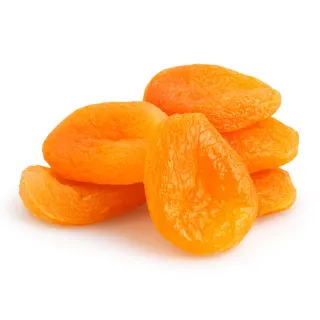
 Dried Apricots
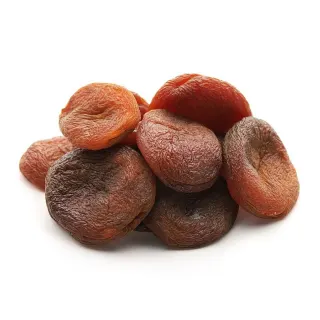 Sun-Dried Natural Apricots
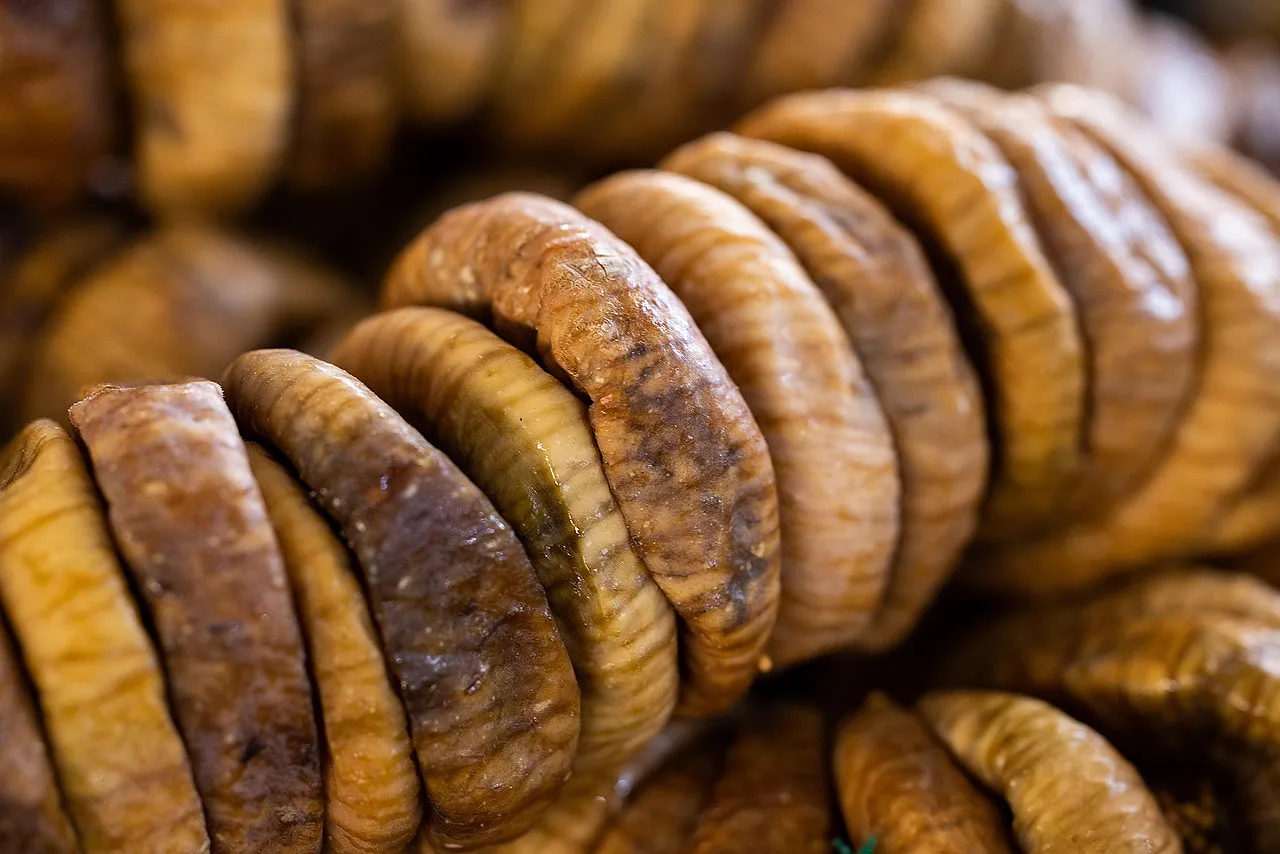
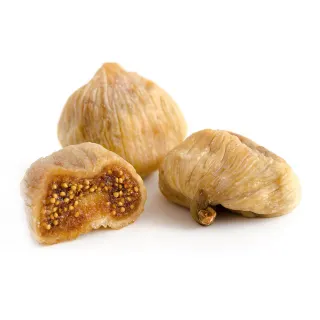 Dried Figs
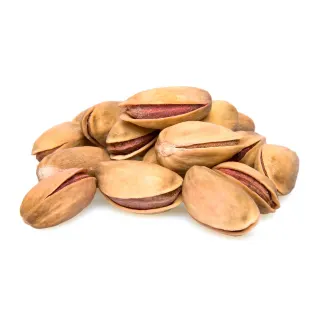 Pistachios
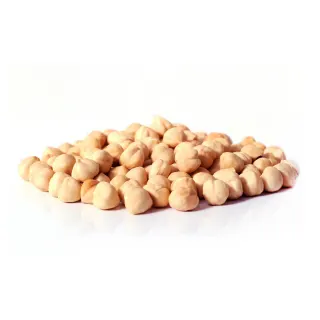 Hazelnuts
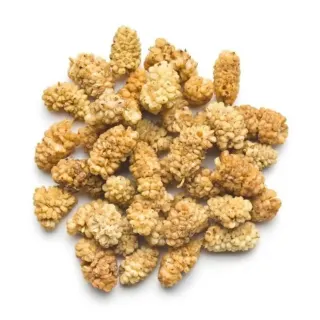 Dried Mulberries
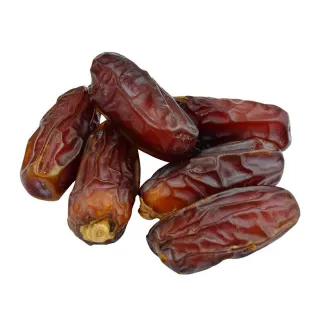 Dates
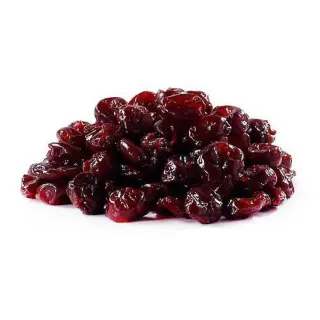 Dried Sour Cherries
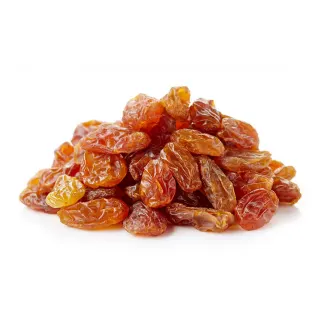 Raisins
 Country Markets#United Kingdom#Customs#Aflatoxin#Regulations#Labelling
UK Dried Fruit Imports after Brexit: What Buyers Need to Know
Since Brexit, the United Kingdom has run its own food import system. For buyers of dried apricots, figs and raisins the rules resemble the EU’s — with some important differences.
Key takeaways
- Proof of origin is needed for preferential tariffs under the Türkiye–UK FTA.
- IPAFFS pre-notification is required for some high-risk products.
- Labels in Great Britain must include a UK address.
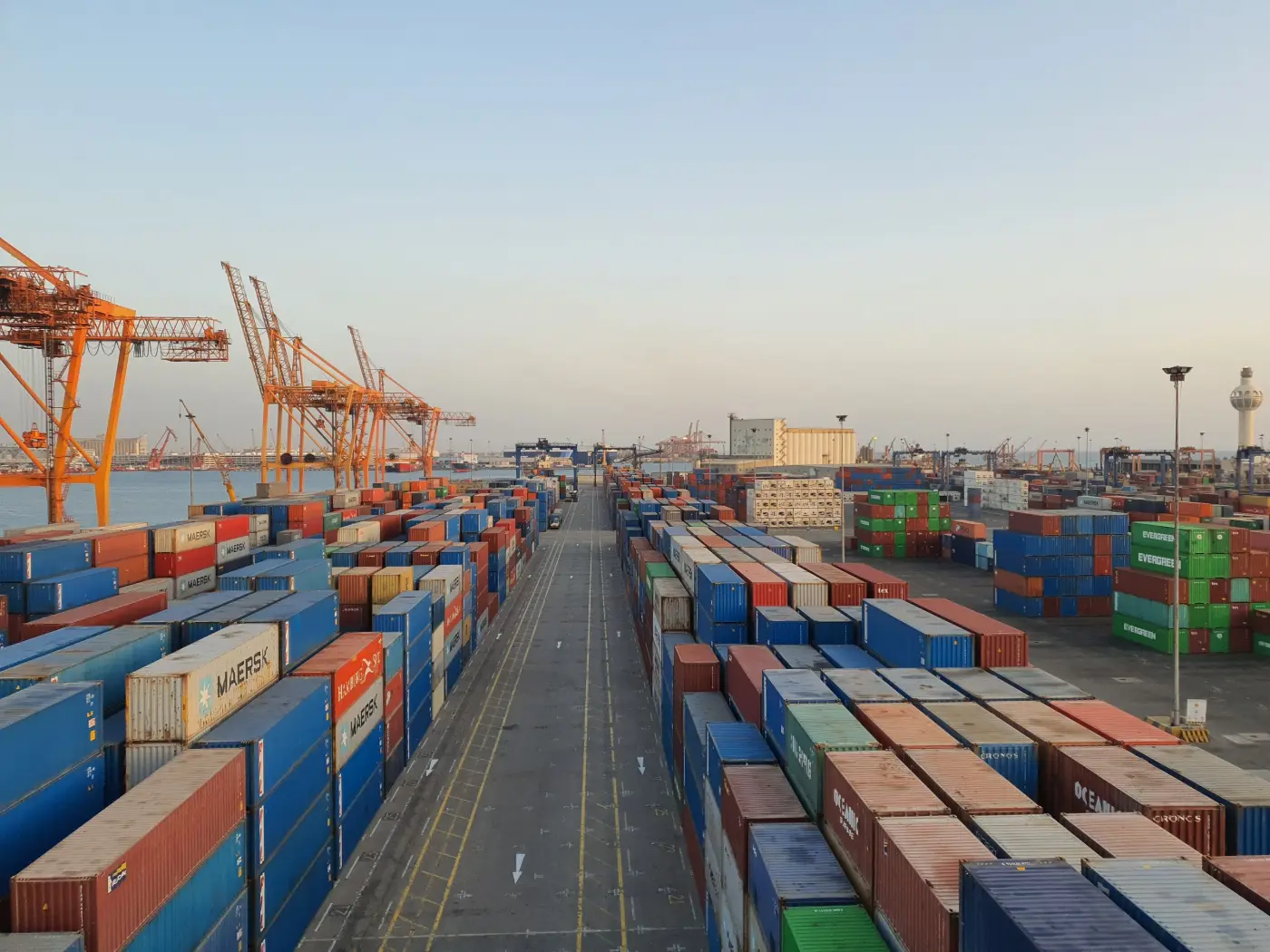
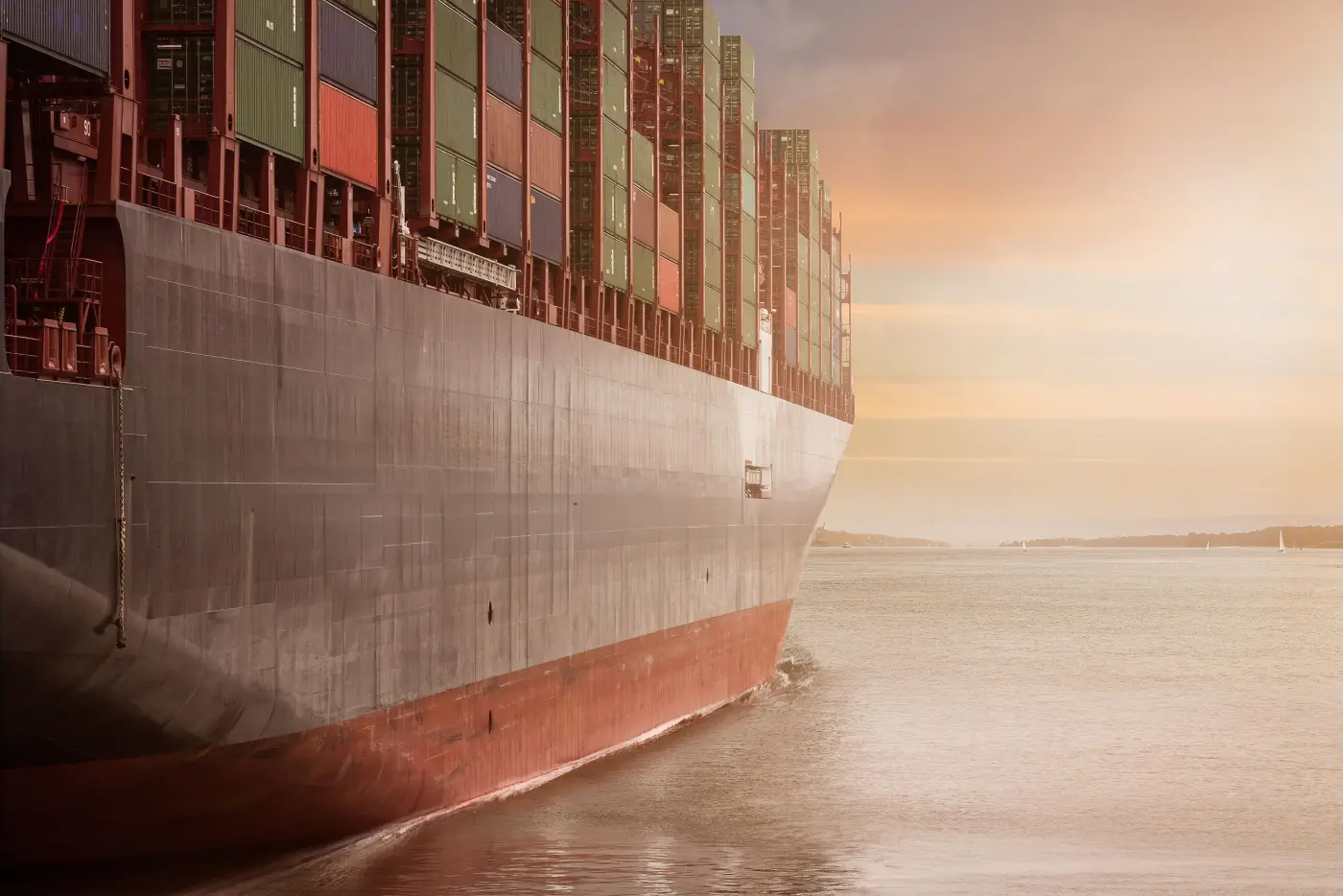
- Sea transit to Felixstowe is about 14–18 days.
Customs and origin
The Türkiye–United Kingdom Free Trade Agreement, in force since 2021, grants preferential tariffs to products meeting the rules of origin, using an EUR.1 or an origin declaration.
Food safety controls
The UK has carried EU-derived contaminant law into domestic law; aflatoxin and SO₂ limits are largely the same. For certain products listed as high-risk, the importer must pre-notify via IPAFFS and pass checks at a border control post.
- Commercial invoice, packing list and bill of lading
- Proof of origin (EUR.1 / origin declaration)
- Certificate of analysis (COA)
- Official health certificate where required
Product lists and check frequencies are updated periodically. We recommend reviewing the current list with your importer before ordering.
Labelling
Prepacked food sold in Great Britain must be labelled in English and include the name and address of a UK-based food business operator. In private label projects we build this into the design from the start.
Sources & regulations
- UK–Türkiye Free Trade Agreement (2020)
- UK Government – Importing high-risk food and feed (IPAFFS)
- Food Standards Agency – Labelling guidance
MarketsUnited Kingdom — market guide Was this article helpful?
Thank you for your feedback!
Prepared with the field experience of our sales, quality and logistics teams.
 Country Markets