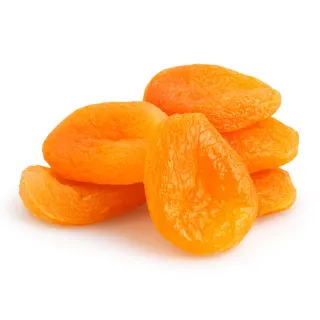
 Dried Apricots
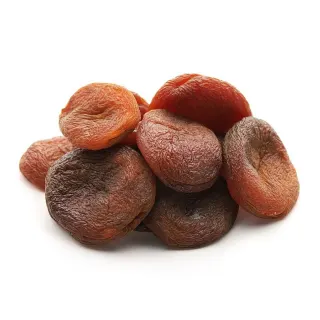 Sun-Dried Natural Apricots
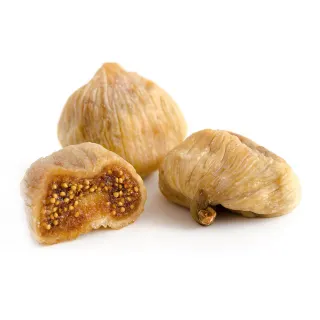 Dried Figs
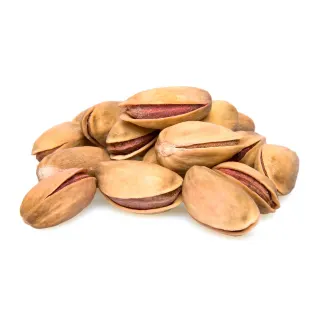 Pistachios
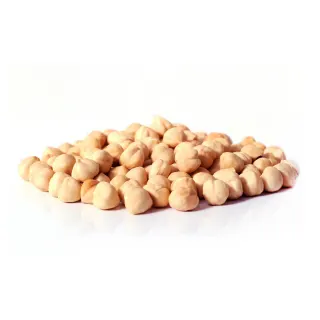 Hazelnuts
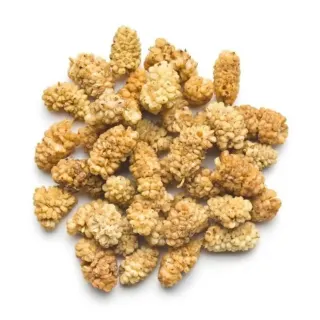 Dried Mulberries
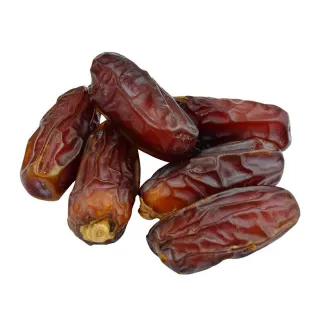 Dates
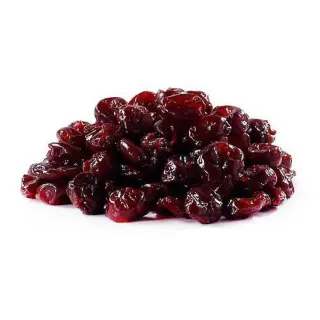 Dried Sour Cherries
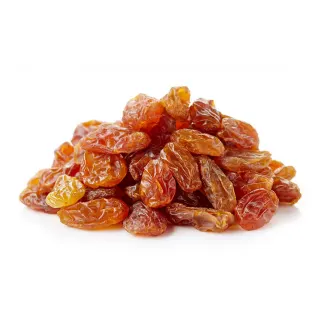 Raisins
 Country Markets#Germany#European Union#Dried apricots#Dried figs#Hazelnuts
Dried Fruit Supply for Germany: A Guide for German Buyers
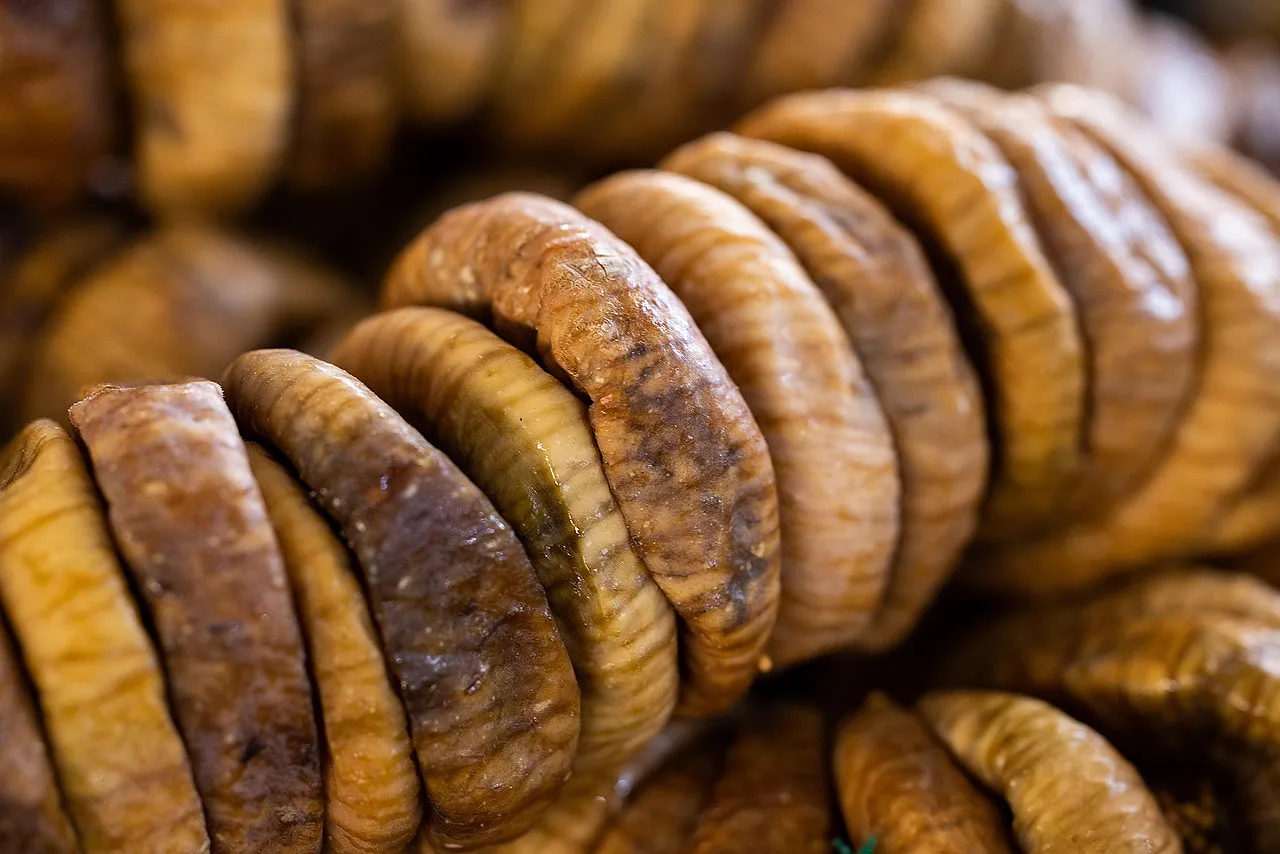
Germany is one of Europe’s most important markets for Turkish dried apricots, figs and hazelnuts. From price-sensitive discounters to quality-focused organic chains, each channel needs a different specification.
Key takeaways
- Private label (Eigenmarke) has a high share in German retail.
- Labels must be in German, with sulphites highlighted as allergens.
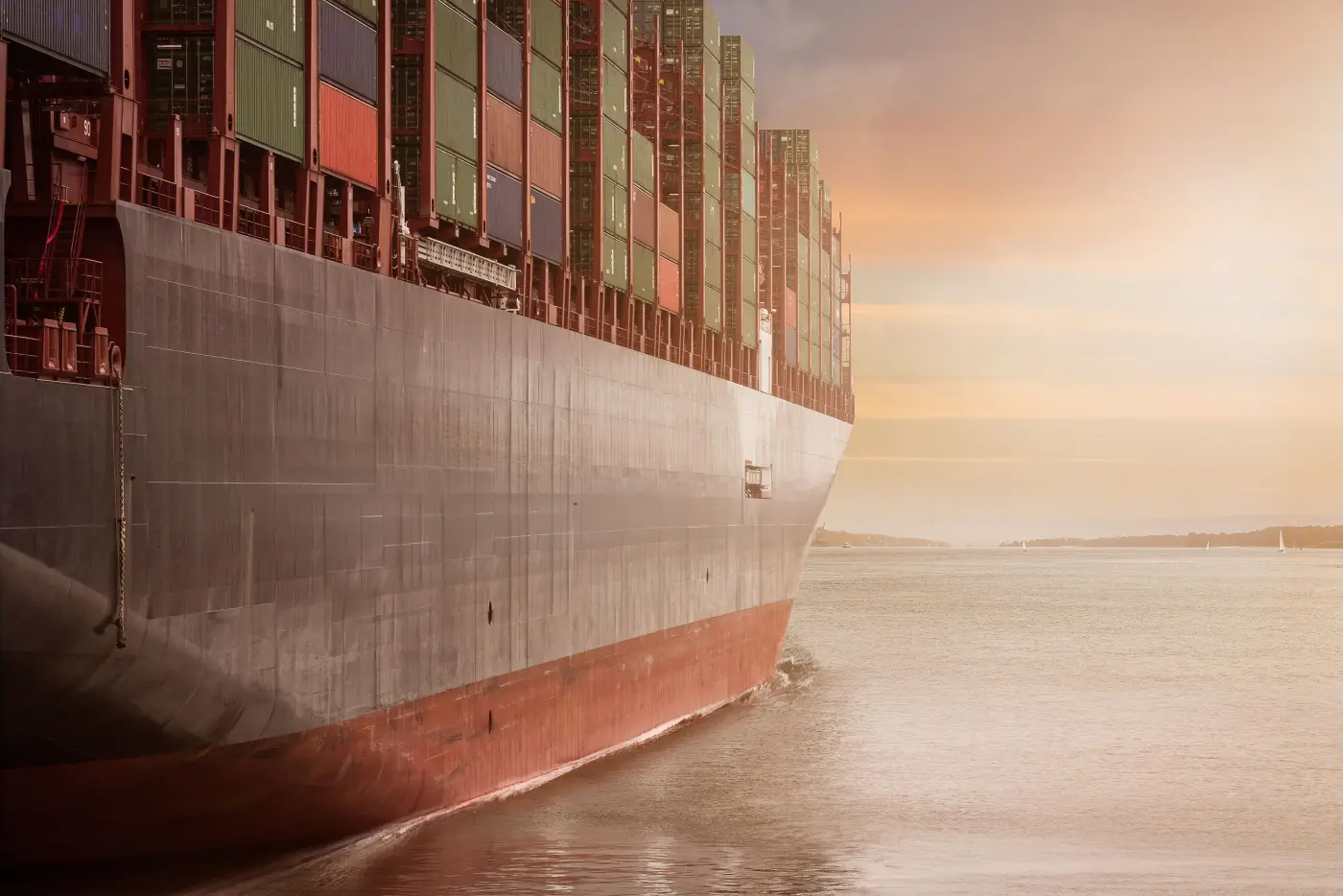
- Sea transit to Hamburg and Bremerhaven is about 14–18 days.
- Retailers usually require GFSI-recognised audits such as IFS.
Understanding the German market
German consumers love dried apricots at breakfast, in muesli and as a snack, and demand for baking fruit rises sharply before Christmas. Hazelnuts are indispensable to the chocolate and confectionery industry.
| Channel | Typical demand | Recommended product |
|---|---|---|
| Discounters | Value, private label | Dried apricots Size 3–5, Class 1 |
| Organic / natural chains | Clean label | Sun-dried apricots, dried figs |
| Food industry | Industrial grade, diced | Hazelnuts 11–13 mm, apricots Size 6–8 |
| Wholesalers / importers | Bulk, mixed containers | 12.5 kg cartons, several products |
Regulations and labelling
Germany applies EU law: aflatoxin limits under Regulation (EU) 2023/915 and a 2000 mg/kg SO₂ maximum for sulphured apricots. Labels follow Regulation 1169/2011 in German, listing ingredients, allergens (Schwefeldioxid und Sulfite), origin and lot number.
German retailers typically expect a GFSI-recognised audit such as IFS Food or BRCGS. Clarifying the required standards at the start keeps the timeline realistic.
Logistics
- Mersin → Hamburg / Bremerhaven: about 14–18 days by sea.
- Combined transport via Mediterranean ports for southern Germany.
- EUR.1 preferential duty for agricultural products.
- Common terms: CIF Hamburg, CFR or DAP warehouse.
In Germany the keys to success are consistent specifications, on-time delivery and transparent documentation.
— Goldland Food
Sources & regulations
- Regulation (EU) 2023/915 – maximum levels for contaminants
- Regulation (EC) 1333/2008 – food additives
- Regulation (EU) 1169/2011 – food information to consumers
MarketsGermany — market guide Was this article helpful?
Thank you for your feedback!
Prepared with the field experience of our sales, quality and logistics teams.
 Country Markets