







 Dried Apricots
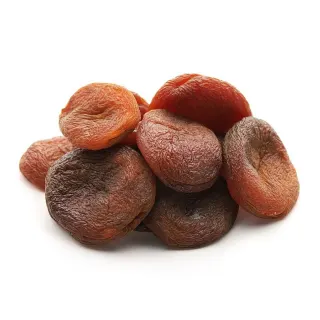 Sun-Dried Natural Apricots
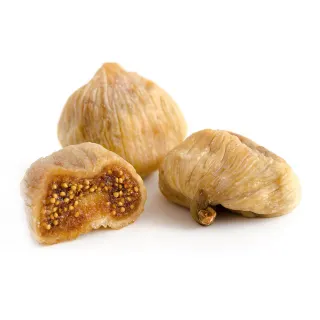 Dried Figs
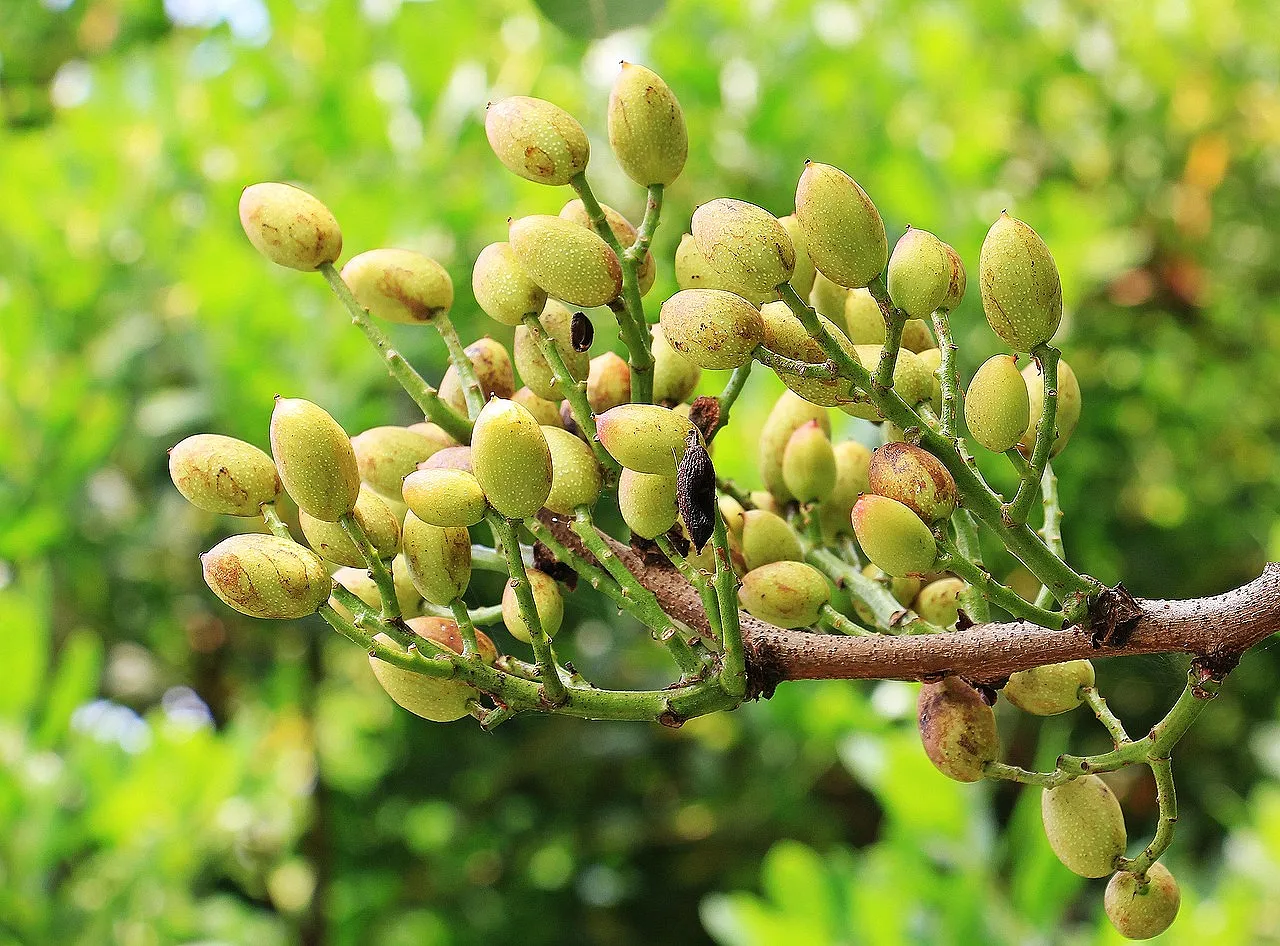
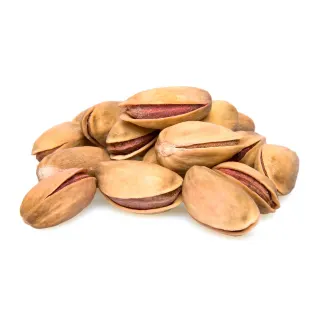 Pistachios
 Hazelnuts
 Dried Mulberries
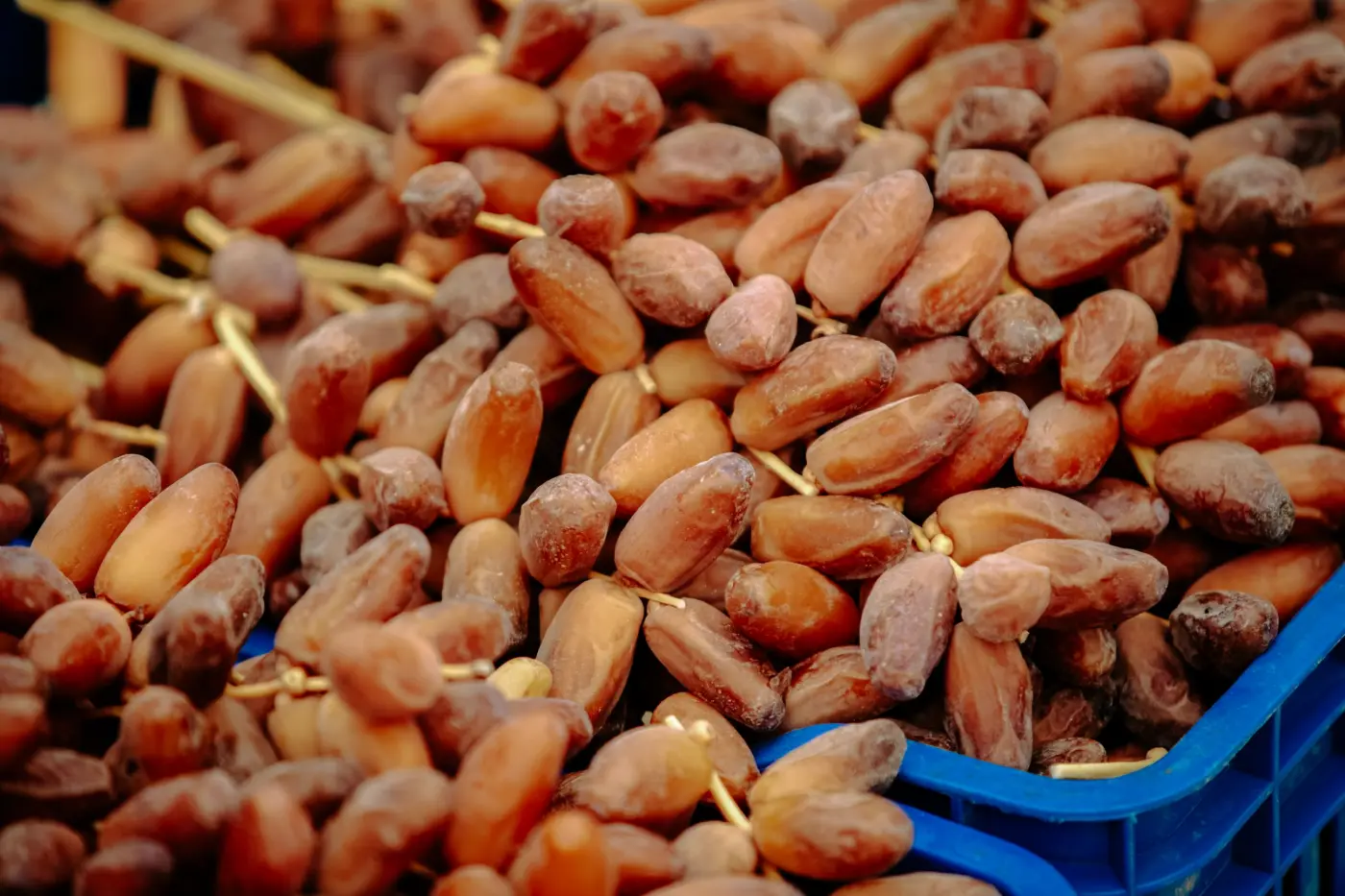
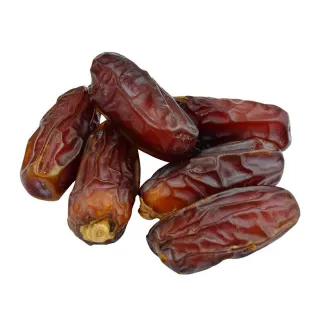 Dates
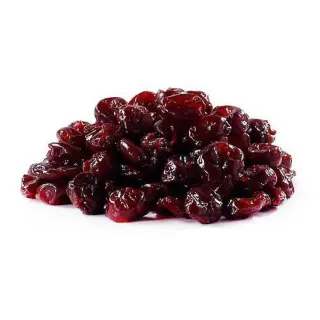 Dried Sour Cherries
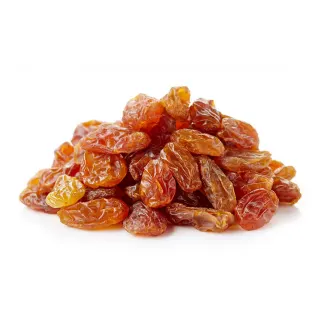 Raisins
 Country Markets#Gulf (GCC)#Halal#Dates#Dried apricots#Pistachios
Dried Fruit and Dates for the Gulf: Ramadan Season and Halal
The Gulf countries show strong year-round demand for dried apricots, dates and pistachios, with Ramadan as the peak. Good planning and complete documents are the key to not missing the season.
Key takeaways
- A halal certificate is essential for most buyers.
- GSO standards and Arabic labelling are required.
- Saudi Arabia has SFDA registration requirements.
- Ramadan orders should be planned 2–3 months ahead.
Demand and season
In the Gulf, dried apricots feature widely at iftar tables and in hospitality, while dates are the symbol of Ramadan. Dubai’s Jebel Ali port is the hub for re-exports to the region and East Africa.
Halal and labelling
Goldland Food holds TSE OIC/SMIIC 1 Halal certification. Under GSO standards labels must include Arabic, with production and expiry dates clearly stated.
| Country | Port | Approx. transit |
|---|---|---|
| UAE | Jebel Ali | 14–20 days |
| Saudi Arabia | Jeddah / Dammam | 8–18 days |
| Qatar / Kuwait | Hamad / Shuwaikh | 16–22 days |
Ramadan moves about 11 days earlier each year. Update your ordering calendar accordingly and plan at least 2–3 months ahead for production and sea freight.
Recommended products
- Dried apricots — Jumbo and Size 1, gift packaging
- Dates — 5 kg and 12.5 kg cartons
- Pistachios — roasted and salted
- Dried figs — premium retail
Sources & regulations
- GSO 9/2013 – Labelling of prepackaged foods
- SFDA – Food import requirements
MarketsUnited Arab Emirates — market guide Was this article helpful?
Thank you for your feedback!
Prepared with the field experience of our sales, quality and logistics teams.

 Country Markets