



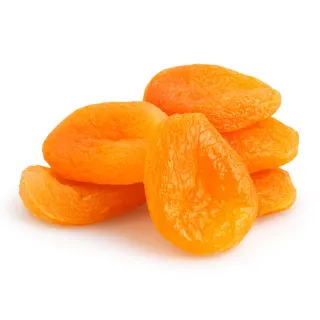
 Dried Apricots
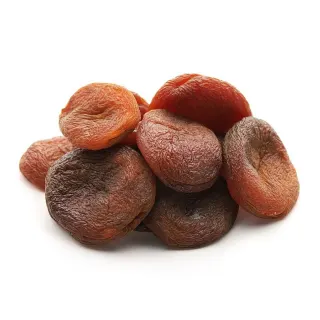 Sun-Dried Natural Apricots
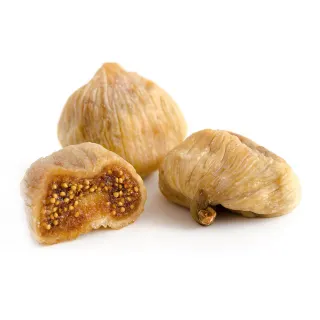 Dried Figs
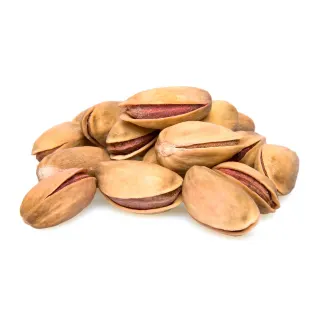 Pistachios
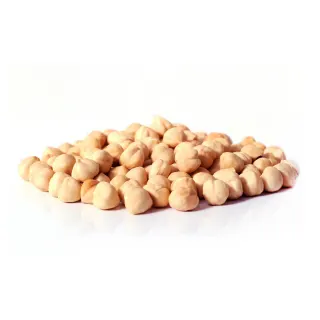 Hazelnuts
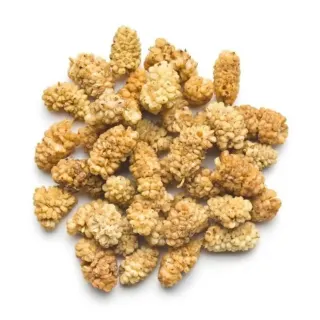 Dried Mulberries
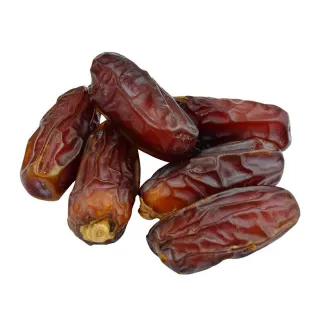 Dates
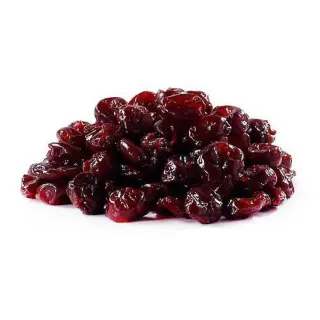 Dried Sour Cherries
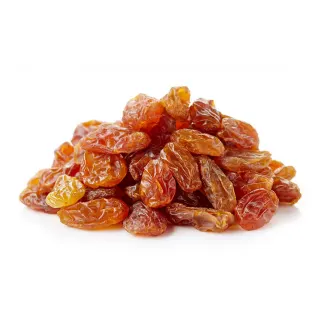 Raisins
 Country Markets#Russia & EAEU#Customs#Logistics#Dried apricots#Raisins
Exporting Dried Fruit to Russia and the Eurasian Economic Union
Russia and the Eurasian Economic Union (EAEU) are among the world’s largest buyers of dried apricots and raisins. Technical regulations and documentation are decisive for market entry.
Key takeaways
- Food safety in the EAEU is governed by TR CU 021/2011.
- Labelling follows TR CU 022/2011 in Russian.
- A declaration of conformity and the EAC mark are required.
- Sea transit to Novorossiysk is about 5–9 days.
Technical regulations
In EAEU member states (Russia, Kazakhstan, Belarus, Armenia, Kyrgyzstan) food products are subject to common technical regulations: TR CU 021/2011 for food safety and TR CU 022/2011 for labelling. A declaration of conformity is obtained and the EAC mark appears on the packaging.
Plant health
Plant products require a phytosanitary certificate; in Russia import controls are carried out by Rosselkhoznadzor. Documents must match product and lot information exactly.
- Commercial invoice and packing list
- Bill of lading or CMR
- Certificate of origin
- Phytosanitary certificate
- EAEU declaration of conformity
- Certificate of analysis (COA)
The Russian label must fully state ingredients, energy value, storage conditions, manufacturer and importer. Approve the label proof with your importer before shipment.
Logistics
Sea freight from Mersin to Novorossiysk takes about 5–9 days. For Kazakhstan and Central Asia, road or rail routes via Georgia can be planned.
Sources & regulations
- TR CU 021/2011 – On food safety
- TR CU 022/2011 – Food products in terms of labelling
MarketsRussia — market guide Was this article helpful?
Thank you for your feedback!
Prepared with the field experience of our sales, quality and logistics teams.
 Country Markets

 Country Markets