



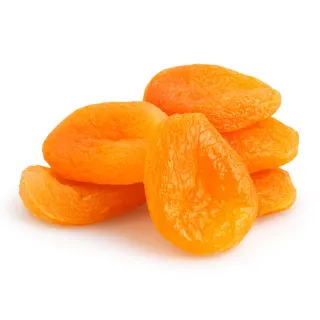
 Dried Apricots
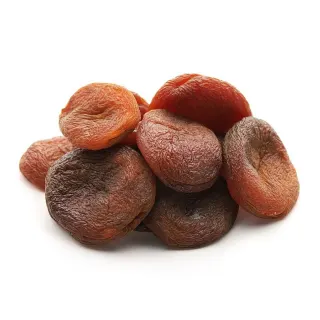 Sun-Dried Natural Apricots
 Dried Figs
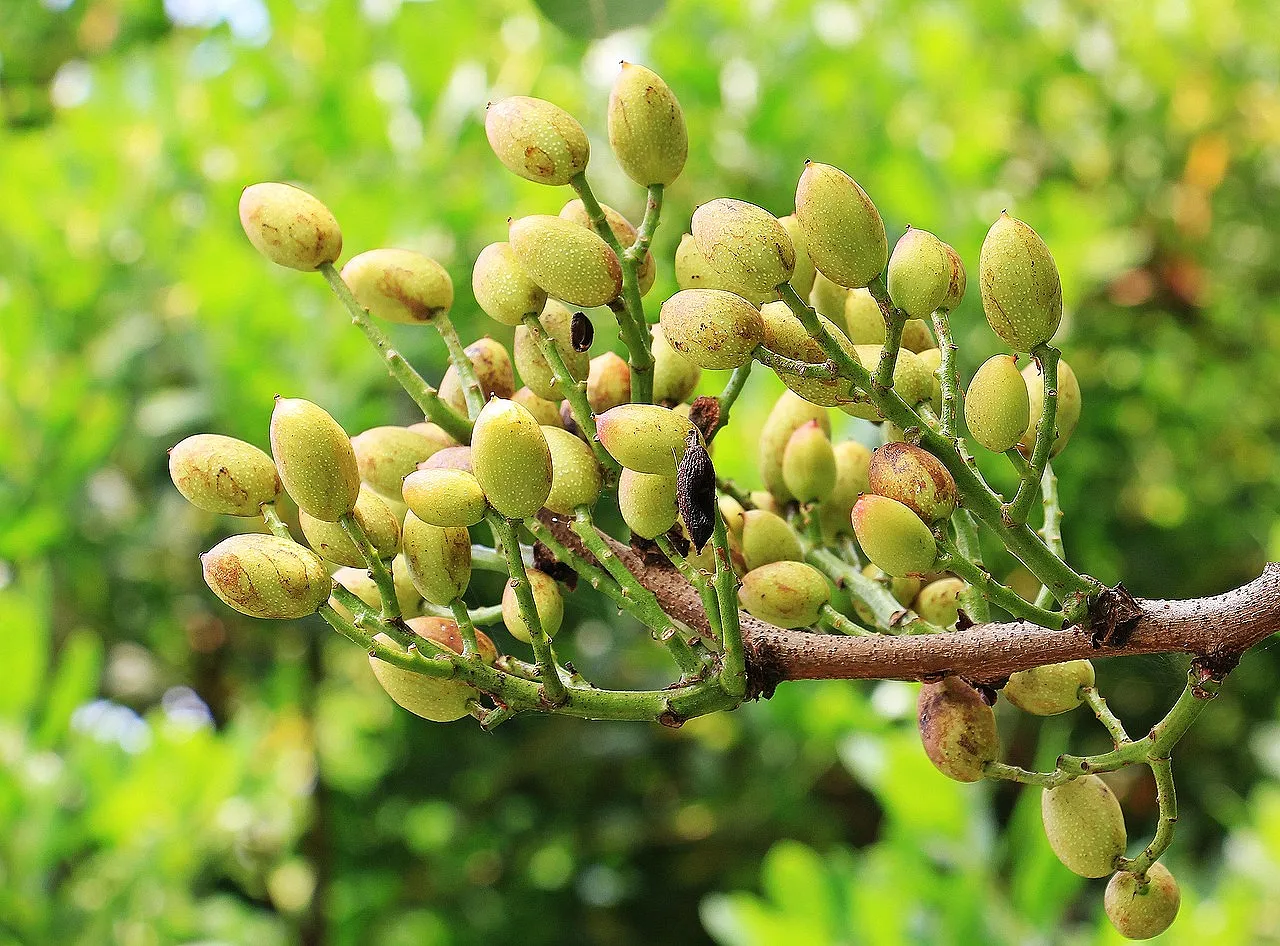
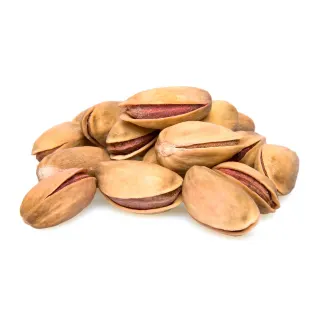 Pistachios
 Hazelnuts
 Dried Mulberries
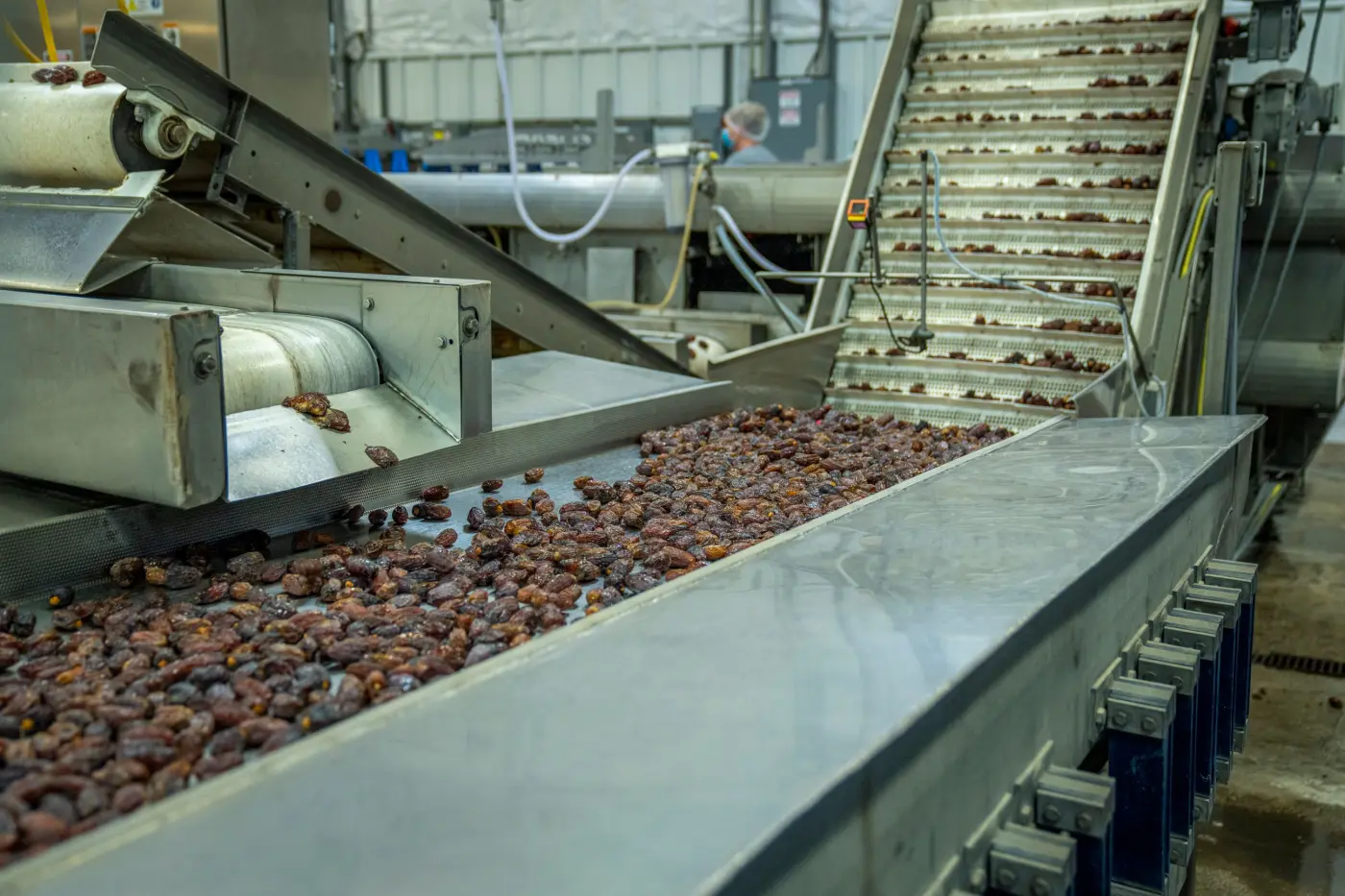
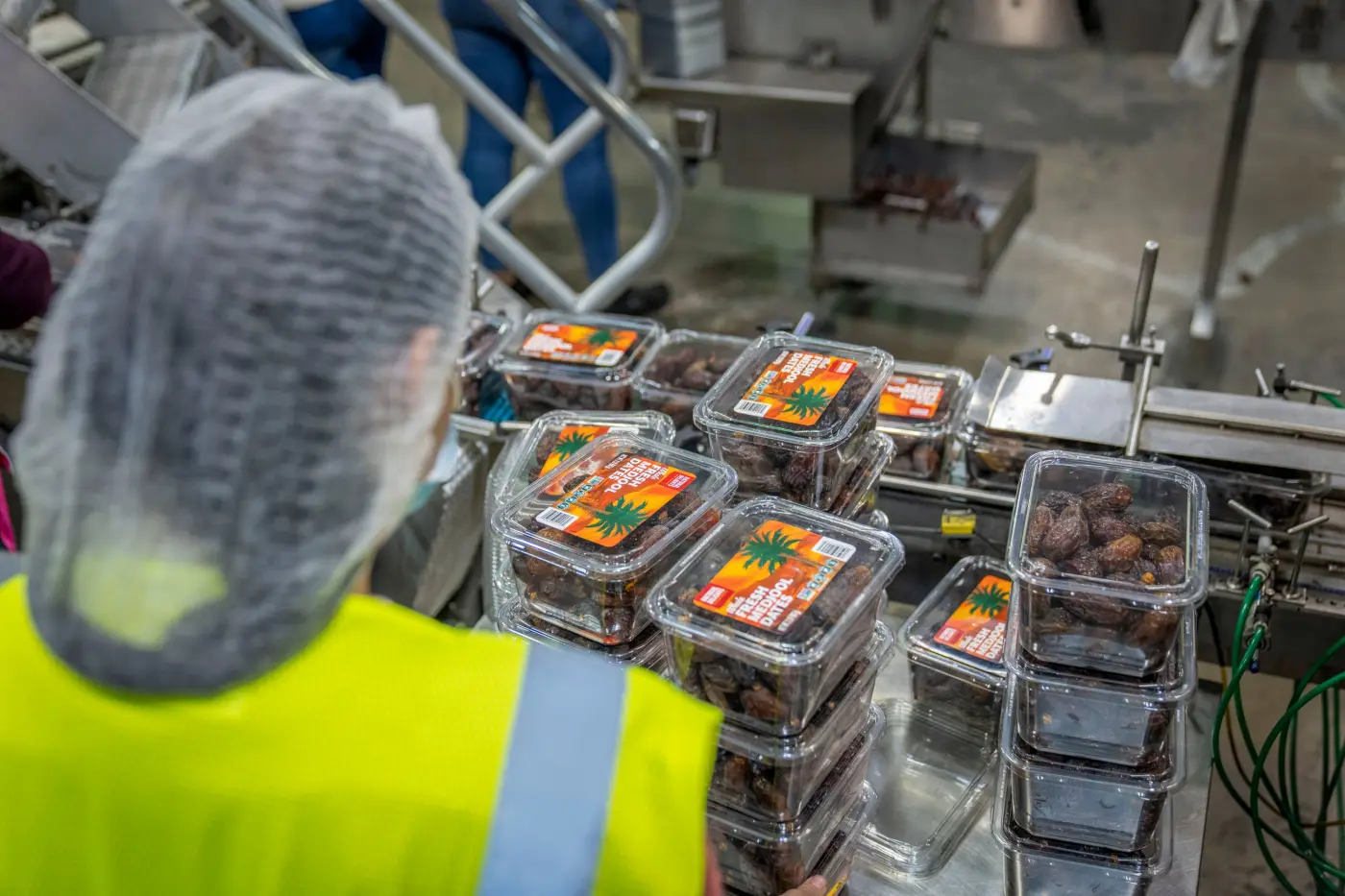
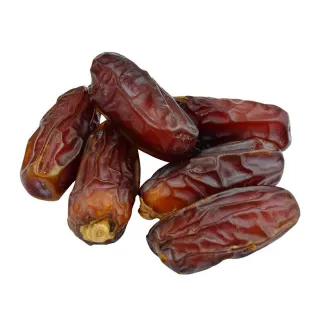 Dates
 Dried Sour Cherries
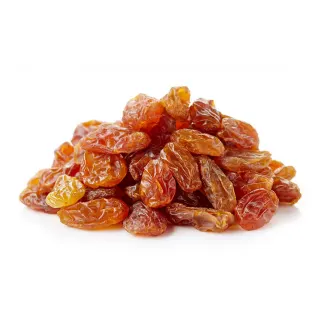 Raisins
 Country Markets#Spain & Latin America#European Union#Packaging#Raisins#Dried apricots
Dried Fruit for Spain and Latin America: Market and Logistics Guide
Spain has one of the highest consumptions of nuts and dried fruit in Europe, while Latin America offers new opportunities with rising demand for healthy snacks.
Key takeaways
- Spain applies EU rules; labels must be in Spanish.
- Sea transit to Valencia is about 6–9 days.
- Mexico applies NOM-051 front-of-pack warning labels.
- Each Latin American country has its own import registration.
Spain
Spanish consumers use dried fruits and nuts widely in aperitifs, breakfast and baking, with demand rising at Christmas. Valencia and Barcelona are entry ports reached quickly from Mersin.
Latin America
The healthy snack category is growing in Mexico, Chile, Colombia and Peru. Mexico applies front-of-pack warning labels under NOM-051; registration and labelling requirements differ by country and health authority (e.g. COFEPRIS, ISP, INVIMA).
| Market | Port of entry | Approx. transit |
|---|---|---|
| Spain | Valencia / Barcelona | 6–9 days |
| Mexico | Veracruz / Manzanillo | 25–35 days |
| Chile | San Antonio / Valparaíso | 35–45 days |
For a first shipment to Latin America, designing the label for the destination country’s rules from the start avoids costly relabelling at customs.
Recommended products
- Dried apricots (Class 1, Size 2–4)
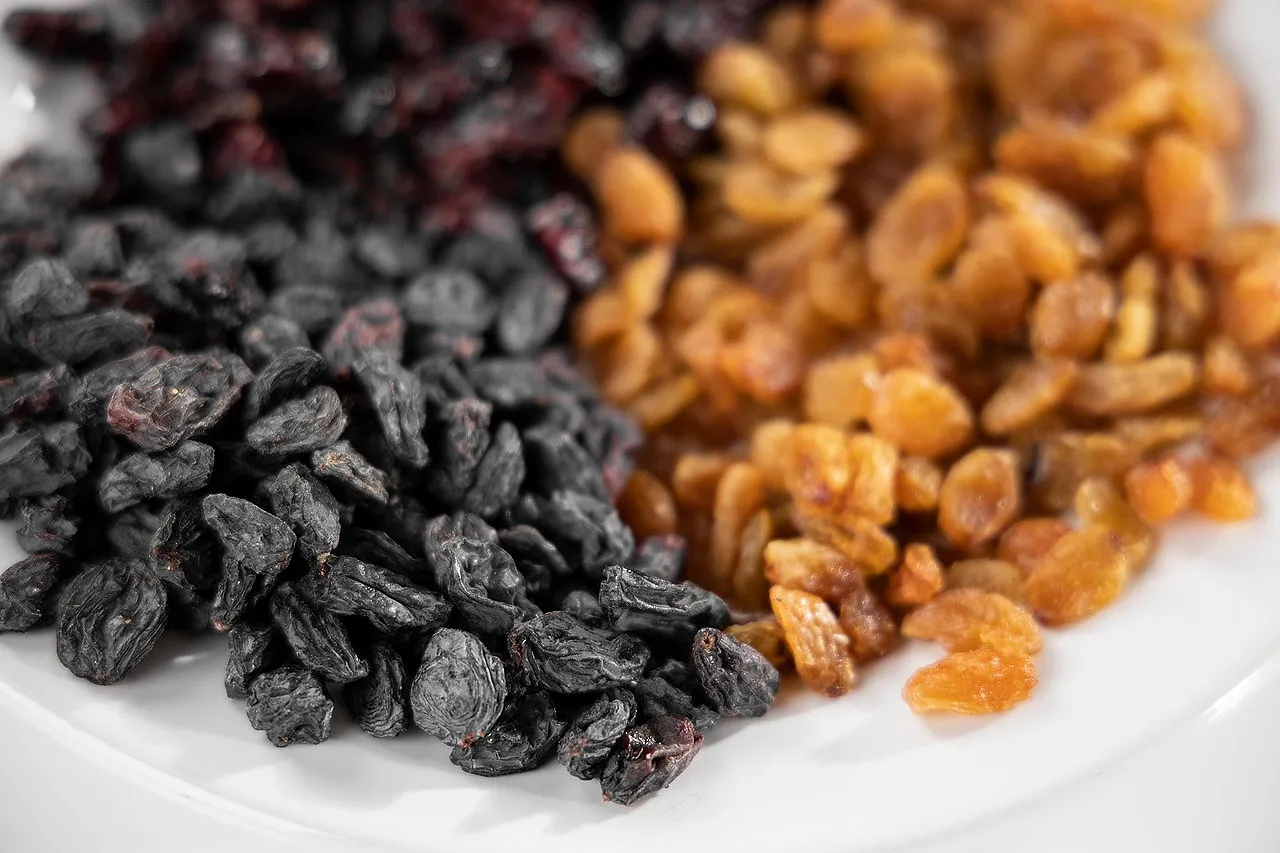
- Sultana raisins
- Hazelnuts (11–13 mm) for confectionery
- Dried figs for premium retail
Sources & regulations
- Regulation (EU) 1169/2011
- NOM-051-SCFI/SSA1-2010 (Mexico)
MarketsSpain — market guide Was this article helpful?
Thank you for your feedback!
Prepared with the field experience of our sales, quality and logistics teams.