






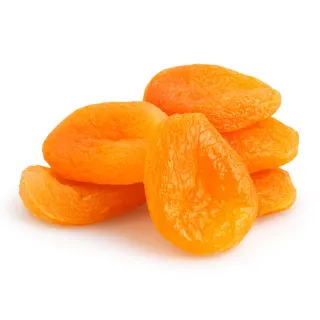
 Dried Apricots
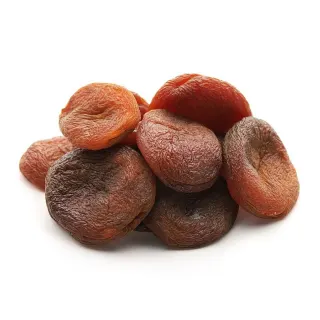 Sun-Dried Natural Apricots
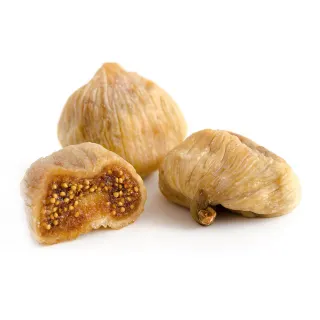 Dried Figs
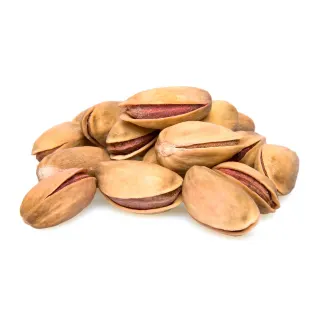 Pistachios
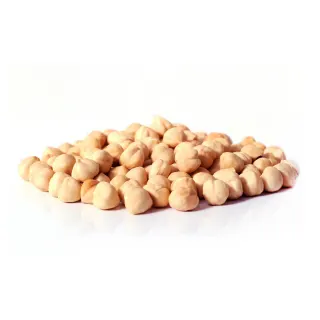 Hazelnuts
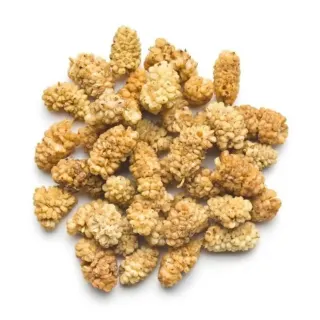 Dried Mulberries
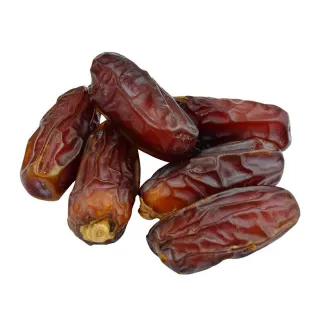 Dates
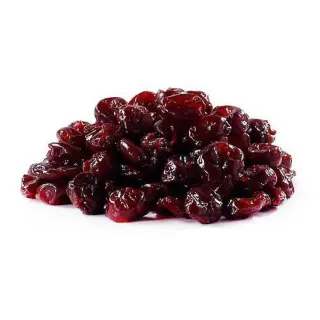 Dried Sour Cherries
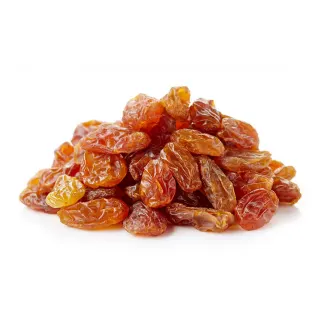 Raisins
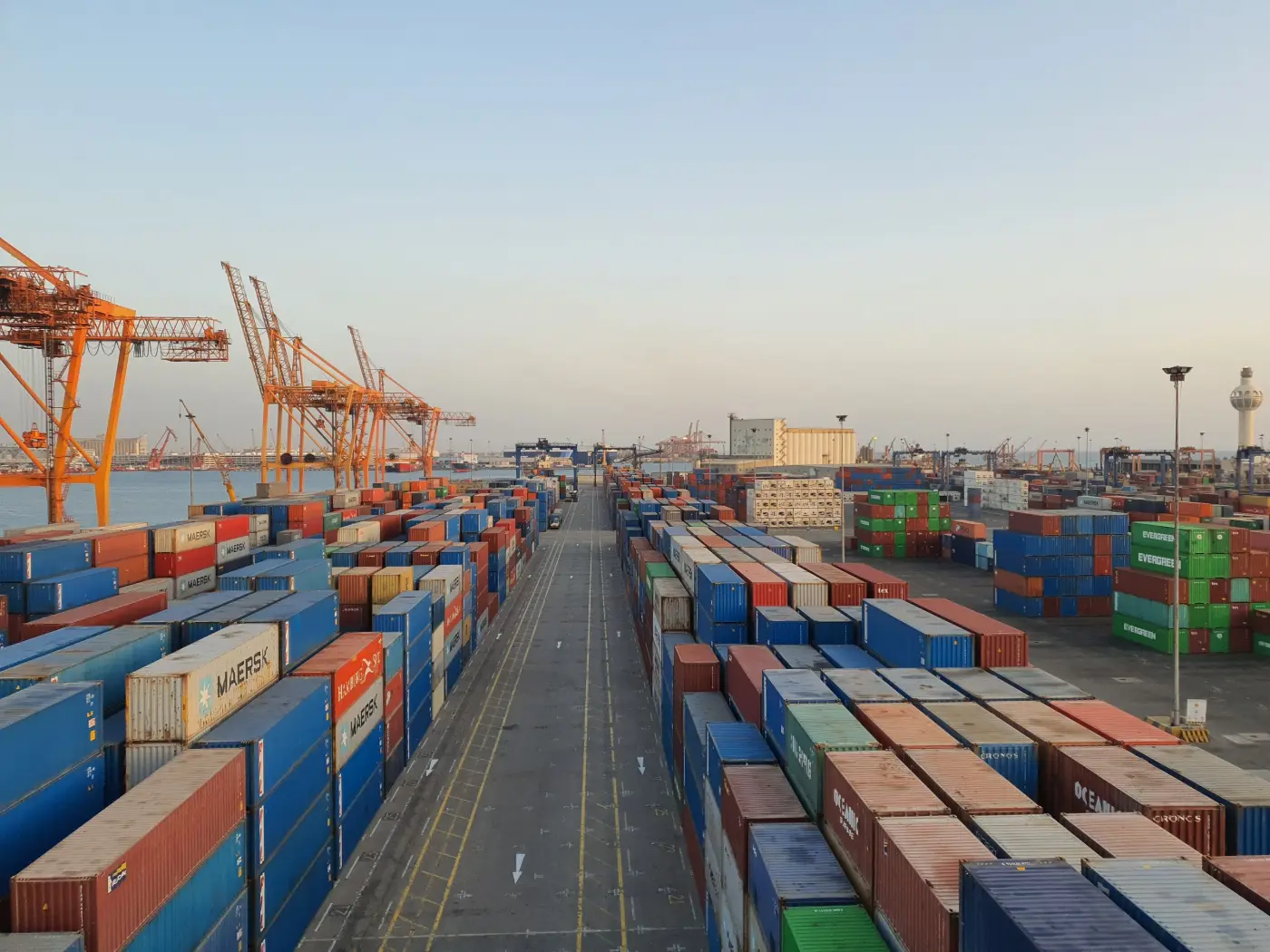
Trade & Logistics#Incoterms#Customs#Logistics#Container shipping#Export
Importing Dried Fruit from Türkiye: A Step-by-Step Buyer’s Guide
Türkiye is one of the world’s largest suppliers of dried apricots, dried figs, hazelnuts and raisins. Yet for a first-time importer the process can look complex. This guide walks through every step in order, from the offer to the goods arriving in your warehouse.
Key takeaways
- Fix the specification in writing: size, grade, moisture, SO₂, packing.
- Never order without sample approval.
- Your Incoterm choice determines cost and risk.
- Plan the document set according to destination-country requirements from the start.
1. Define the specification
A good import starts with a clear specification. Product type, size, grade, moisture, SO₂ level (if any), packing type and labelling requirements should be agreed in writing. This document is the basis both for comparing offers and for any quality claim.
2. Offer and sample
Send the specification to several suppliers and request offers — but look not only at price, also at the sample’s compliance, the documents and the supplier’s track record. Goldland Food sends samples in the chosen size to companies with serious purchase plans.
3. Choose the Incoterm and payment terms
| Incoterm | Seller’s responsibility | Suitable for |
|---|---|---|
| FOB Mersin | Up to loading on the vessel | Buyers with their own freight contracts |
| CFR | Freight to destination port included | Those who leave freight to the supplier |
| CIF | Freight + marine insurance | First-time importers, L/C deals |
| DAP | Transport to the named place | Road shipments, within Europe |
For payment, advance/T/T, letters of credit (L/C) and cash against documents (CAD) are the most common. In first transactions a letter of credit protects both parties.
4. Plan the documents
- Commercial invoice and packing list
- Bill of lading (sea) or CMR (road)
- Certificate of origin; EUR.1 for preferential duty on agricultural products to the EU
- Phytosanitary certificate (depending on destination)
- Certificate of analysis (COA): moisture, SO₂, aflatoxin
- Health and halal certificates on request
Missing or incorrect documents are the most frequent cause of customs delays. Finalise the document set with your customs broker together with the order confirmation.
5. Production, loading and tracking
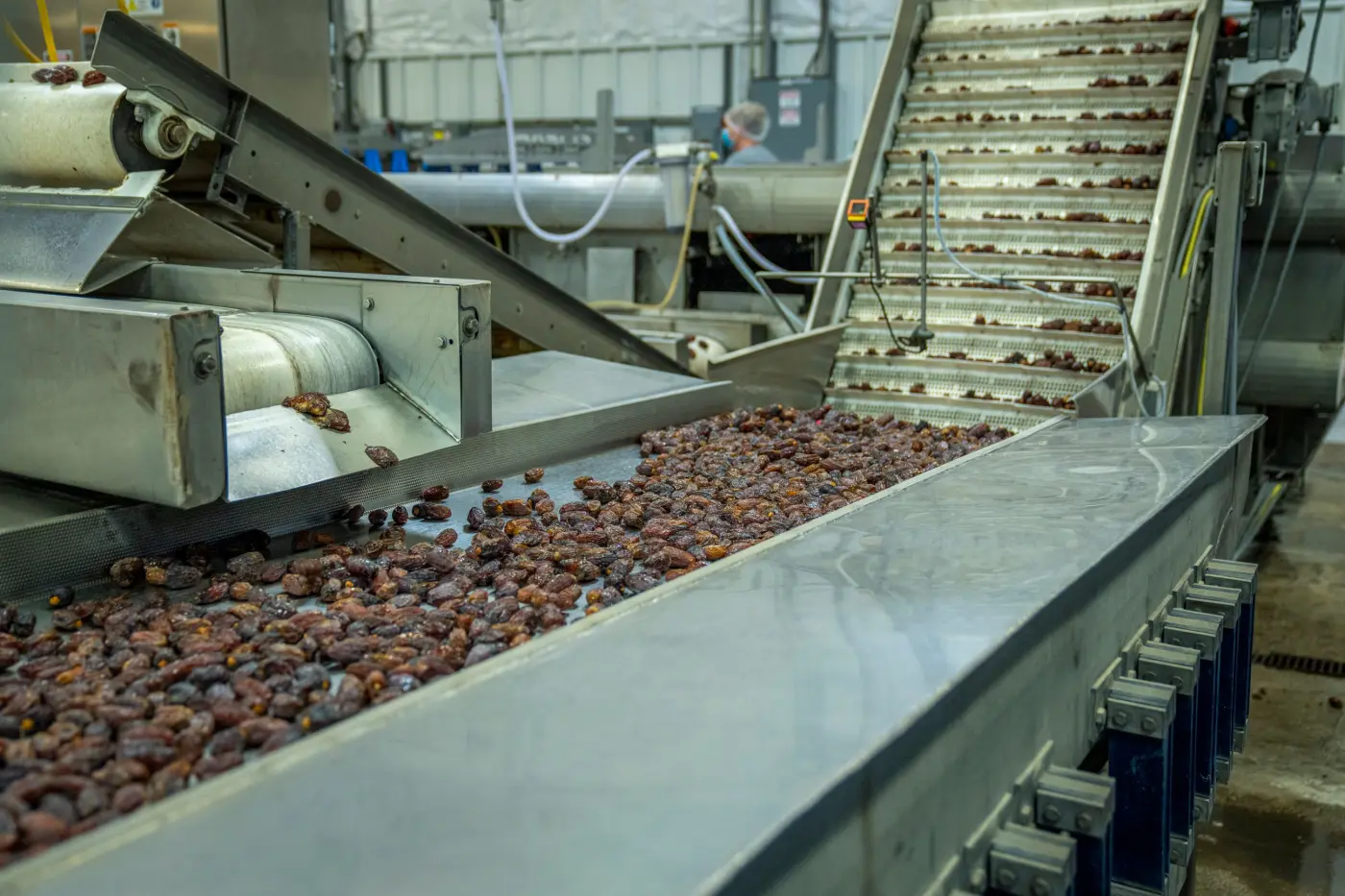
After order confirmation the product is processed, packed and loaded into the container, usually within 10–20 days. The shipment is tracked by sharing the container number and bill of lading. Sea transit takes about 7–35 days depending on the destination port.
6. Quality control on arrival
When the goods reach your warehouse, take samples and compare them with the specification. The COA that comes with every shipment is the reference for this comparison. In long-term partnerships, seasonal contracts provide price and supply security.
A good supplier doesn’t just ship goods; it thinks ahead for you at every step of the process.
— Goldland Food
Sources & regulations
- ICC Incoterms® 2020 – delivery terms
- WCO – Harmonized System (HS 2022) – customs tariff classification
- EU–Türkiye Association Council Decision No 1/98 – preferential trade in agricultural products
Was this article helpful?
Thank you for your feedback!
Prepared with the field experience of our sales, quality and logistics teams.

 Country Markets