






 Dried Apricots
 Sun-Dried Natural Apricots
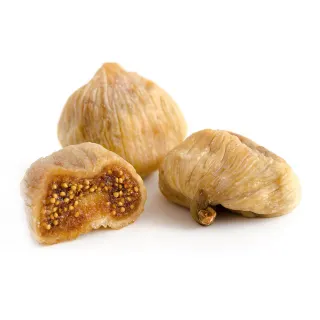 Dried Figs
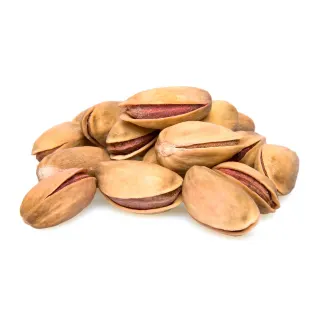 Pistachios
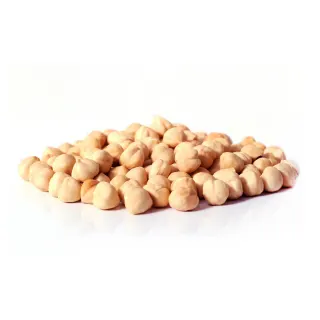 Hazelnuts
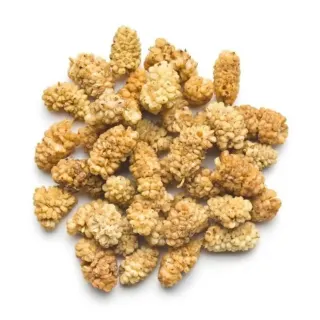 Dried Mulberries
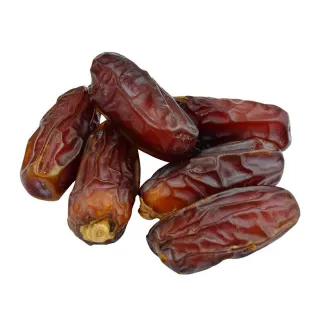 Dates
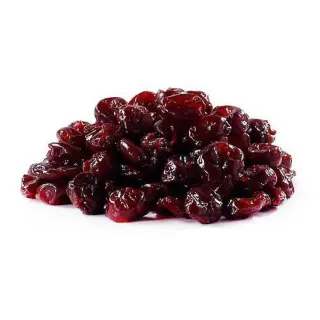 Dried Sour Cherries
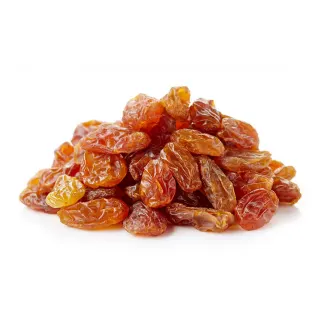 Raisins
Quality & Food Safety#Food safety#Aflatoxin#SO₂#European Union#Quality control
Food Safety in Dried Fruit: Aflatoxin, SO₂ and Analysis Reports
In the dried fruit and nut trade, food safety comes even before price. A shipment rejected at the border means both cost and reputational damage. In this article we summarise the key concepts and control points quality and purchasing teams need to know.
Key takeaways
- Aflatoxin is the most critical parameter for figs, hazelnuts and pistachios.
- EU limits differ by product and intended use.
- The EU SO₂ limit for dried apricots is 2000 mg/kg.
- The COA is the quality passport of every shipment.
What is aflatoxin?
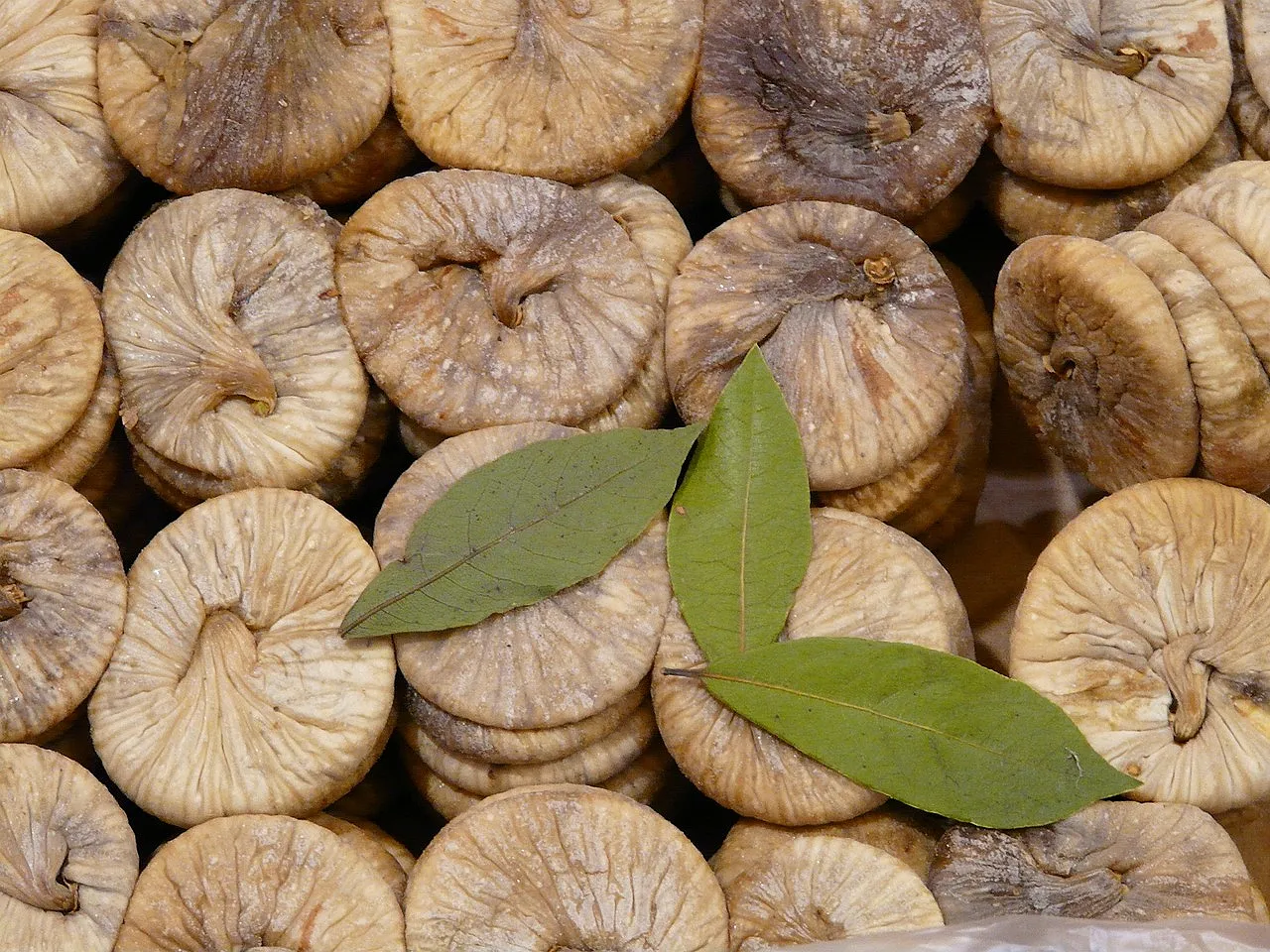
Aflatoxins are natural toxins produced by certain moulds under suitable moisture and temperature conditions. They are the most closely monitored parameter in products such as dried figs, hazelnuts and pistachios. Control starts in the field, continues with correct drying and storage, and is verified by sorting and laboratory analysis.
Maximum levels in the EU
In the European Union, limits are set by Regulation (EU) 2023/915 and are stricter for products placed on the market for direct consumption. Main values (µg/kg):
| Product (direct consumption) | Aflatoxin B1 | Total (B1+B2+G1+G2) |
|---|---|---|
| Dried figs | 6.0 | 10.0 |
| Hazelnuts | 5.0 | 10.0 |
| Pistachios | 8.0 | 10.0 |
| Other dried fruit (e.g. apricots, raisins) | 2.0 | 4.0 |
Legislation is updated periodically. Before contracting we confirm the current limits of your target market with you; different values may apply in the USA, the Gulf states and the Far East.
SO₂ and sulphite labelling
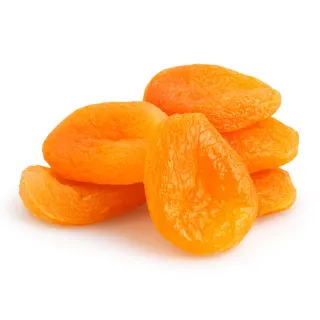
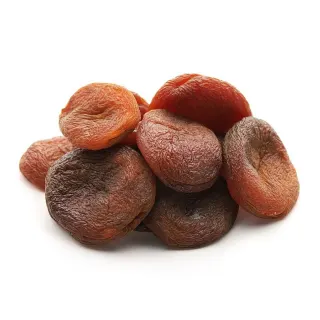
In sulphured dried apricots, SO₂ is used to preserve colour. In the EU the maximum for dried apricots is 2000 mg/kg, and sulphites must be declared on the label as an allergen. In the USA, sulphite content above 10 ppm must be declared on the label.
What to check in a certificate of analysis (COA)
- Lot number and production date: must match the cartons exactly.
- Moisture: below the product-specific limit.
- SO₂: in mg/kg for sulphured products.
- Aflatoxin B1 and total: in µg/kg for relevant products.
- Microbiology: yeast and mould, E. coli, Salmonella.
- The laboratory and method used.
The quality system at Goldland Food
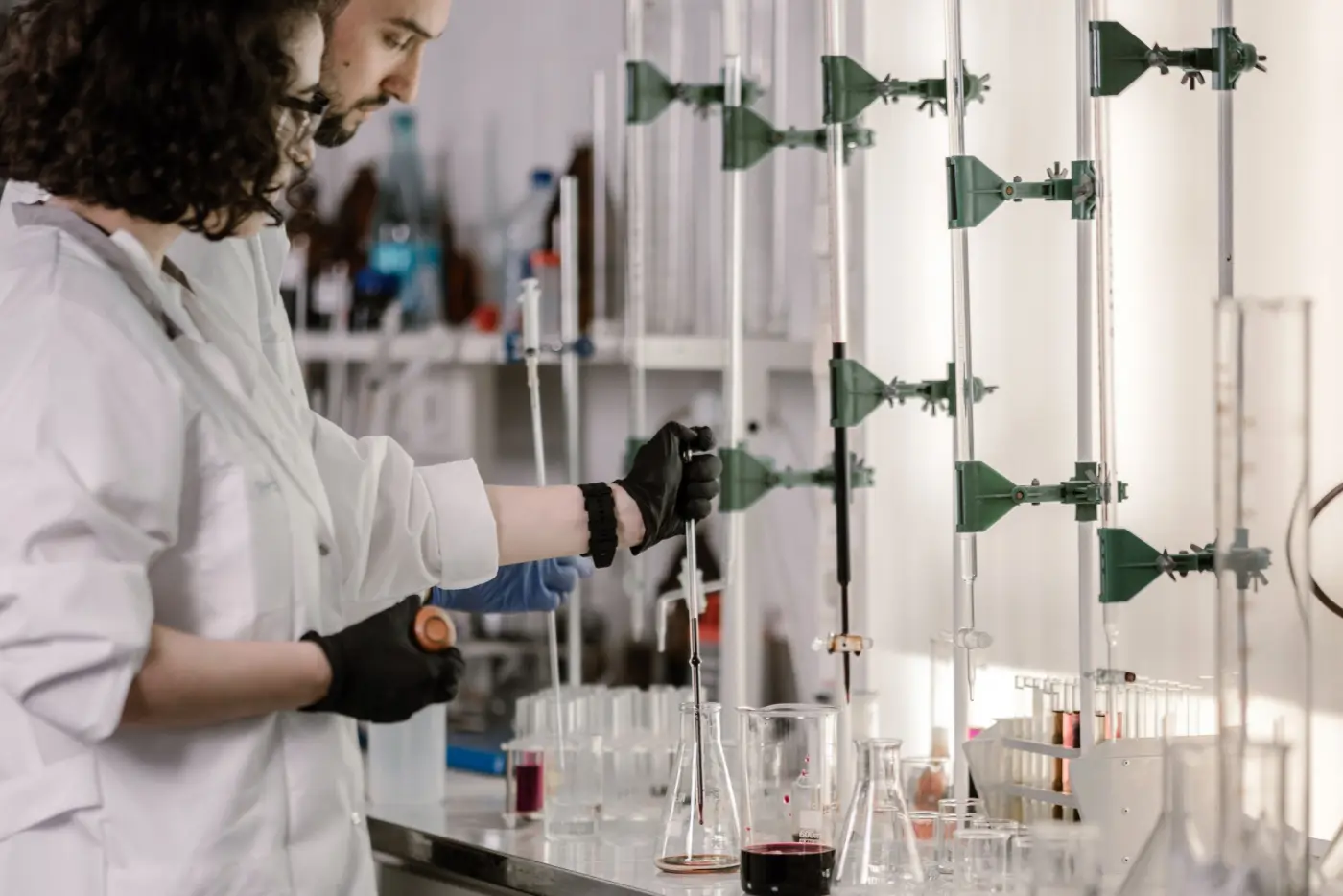
Our ISO 22000 food safety management system defines every critical point from raw material intake to shipment. Optical sorting, hand inspection and metal detection control physical risks; laboratory analyses control chemical and microbiological risks. Independent accredited laboratory analysis is available on request.
Food safety is not a certificate; it is a discipline repeated every day.
— Goldland Food
Sources & regulations
- Regulation (EU) 2023/915 – maximum levels for contaminants
- Regulation (EU) 2019/1793 – official controls on certain foods from third countries
- Regulation (EC) 1333/2008 – food additives (E220 sulphur dioxide)
Was this article helpful?
Thank you for your feedback!
Prepared with the field experience of our sales, quality and logistics teams.

 Country Markets