
 Dried Apricots
 Sun-Dried Natural Apricots
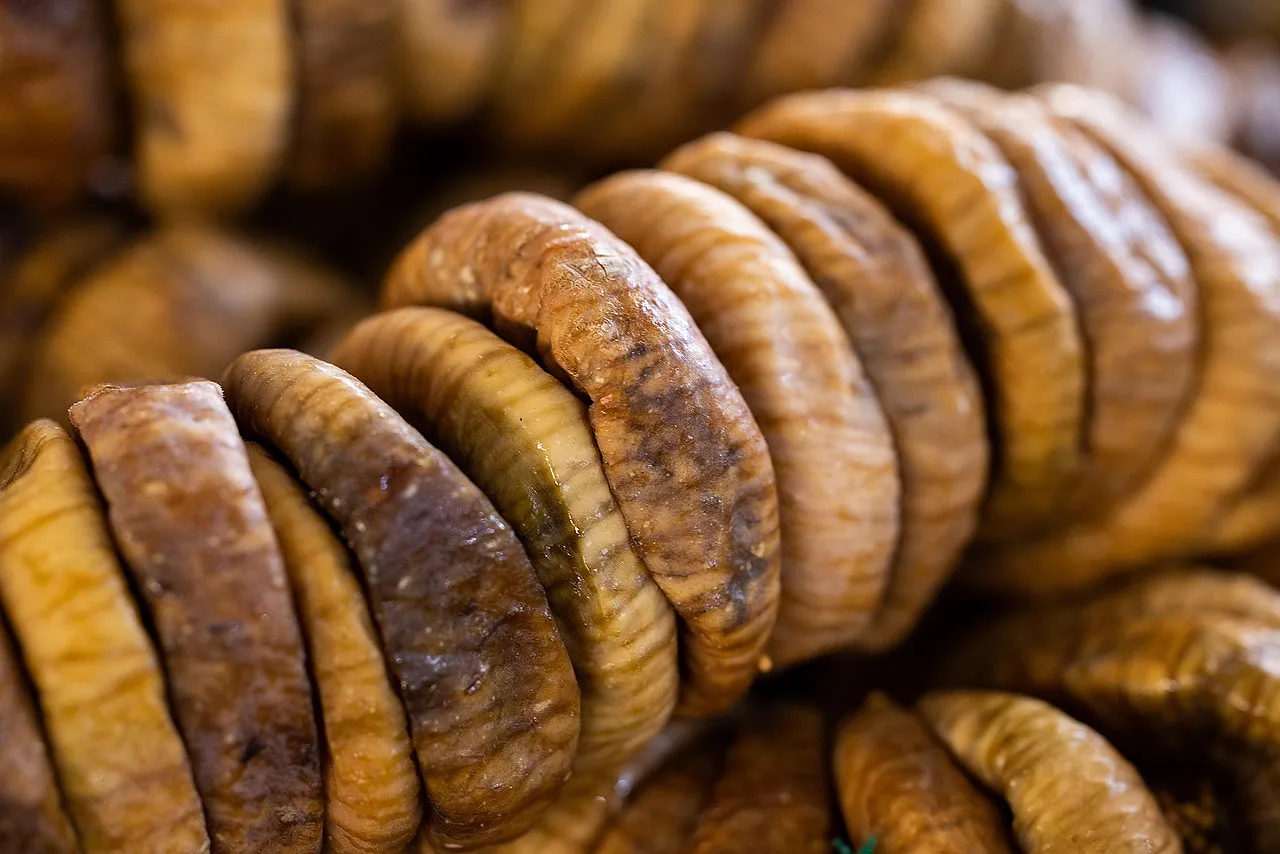
 Dried Figs
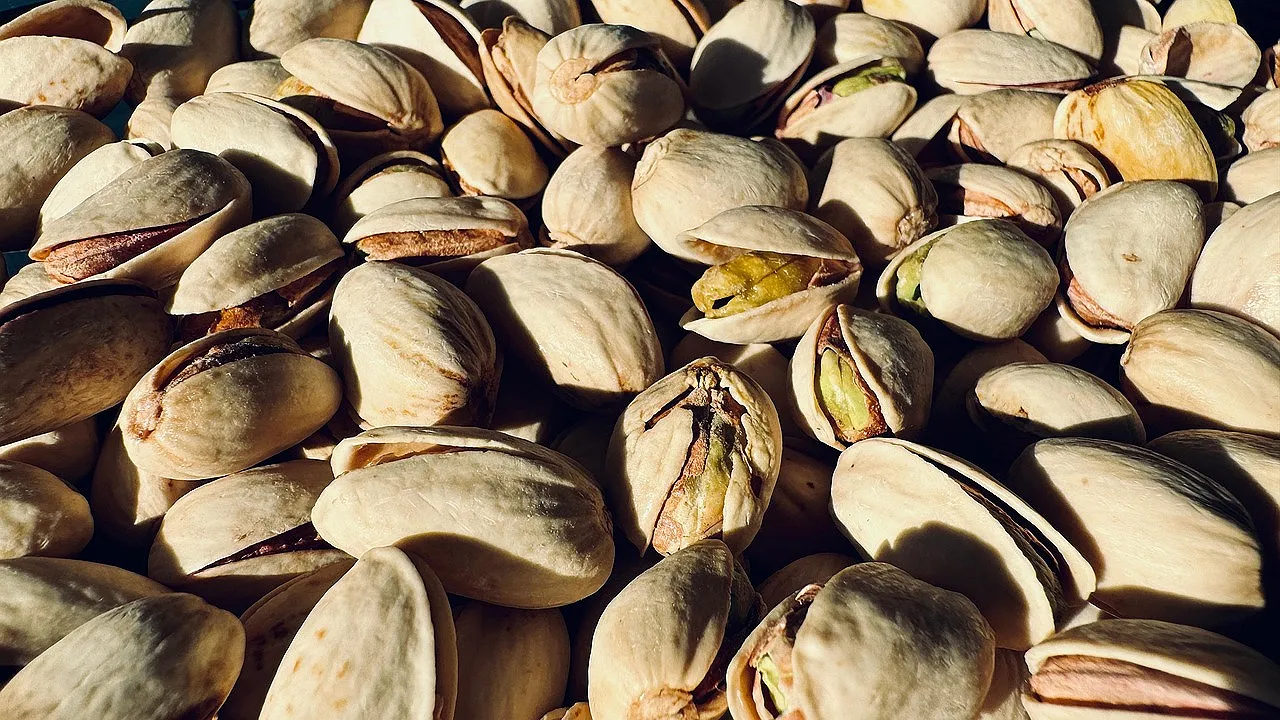
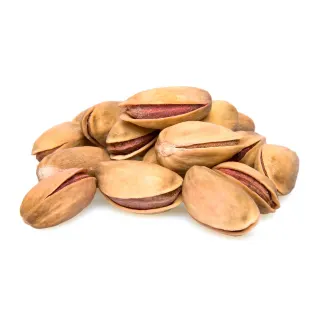 Pistachios
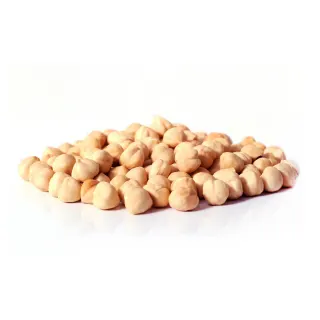 Hazelnuts
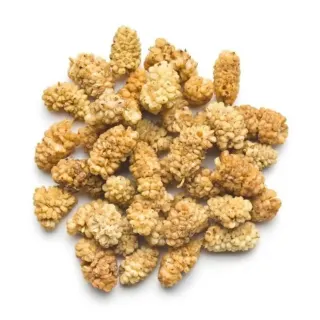 Dried Mulberries
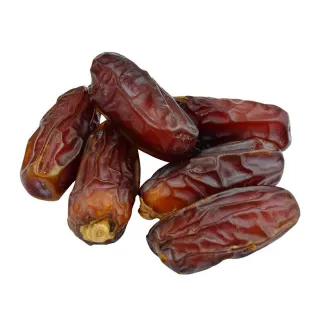 Dates
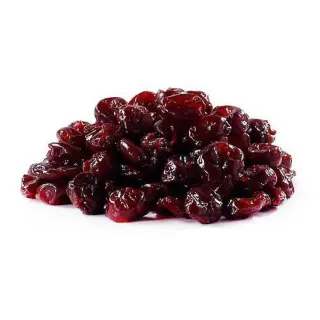 Dried Sour Cherries
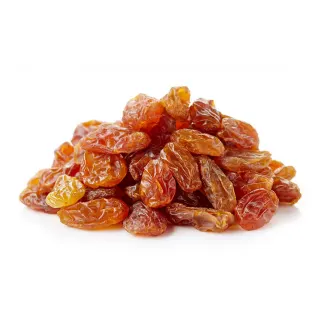 Raisins
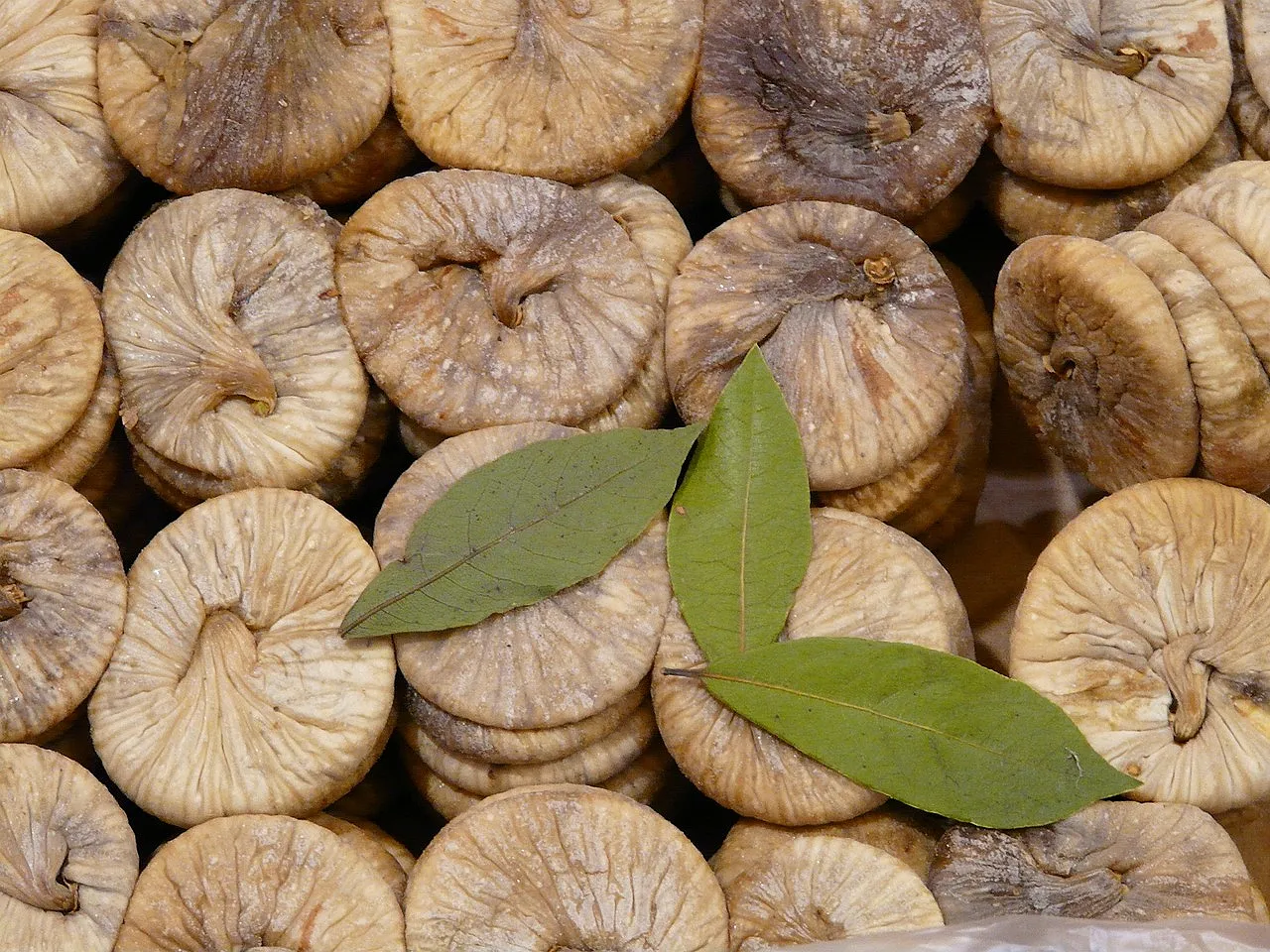
Product Guide#Dried figs#Aflatoxin#Packaging#Calibre#Quality control
Dried Fig Size and Grade Guide: From Size 1 to Size 11
Aegean dried figs are among the most sought-after dried fruits in the world. Choosing the right size and form determines how the product looks on the shelf — and its price.
Key takeaways
- Size is the number of pieces per kg.
- Size 1 is the largest, Size 11 the smallest.
- Natural, lerida and garland are the most common forms.
- Aflatoxin control is critical for figs.
Size table
| Size | Pieces / kg | Use |
|---|---|---|
| Size 1 | ≤ 40 | Premium, gifts |
| Size 2–3 | 41–50 | Premium retail |
| Size 4–6 | 51–65 | Retail |
| Size 7–8 | 66–80 | Retail, wholesale |
| Size 9–11 | 81–120+ | Industry, dicing, paste |
Forms
- Natural: Round figs in their natural form.
- Lerida: Pressed flat for a uniform look.
- Pulled / protoben: Hand-shaped with the stem together.
- Garland: Strung on a cord, the traditional presentation.
Quality and aflatoxin
Aflatoxin is the most closely monitored parameter in dried figs. In the EU, limits for dried figs for direct consumption are 6.0 µg/kg for B1 and 10.0 µg/kg in total. Goldland Food verifies every lot through sorting and laboratory analysis.
For premium packs choose Size 1–3 in natural or lerida form; for diced and paste products, Size 9–11 offers a cost advantage.
11size options
6.0µg/kg — EU B1 limit
4common forms
Sources & regulations
- Regulation (EU) 2023/915 – maximum levels for contaminants
Was this article helpful?
Thank you for your feedback!
Goldland Food Editorial Team
Prepared with the field experience of our sales, quality and logistics teams.