






 Dried Apricots
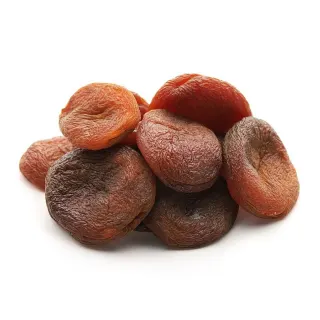 Sun-Dried Natural Apricots
 Dried Figs
 Pistachios
 Hazelnuts
 Dried Mulberries
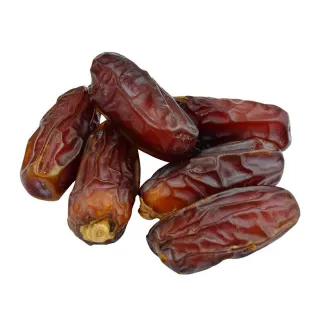 Dates
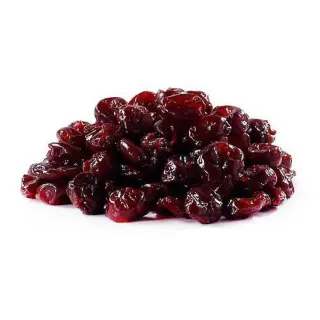 Dried Sour Cherries
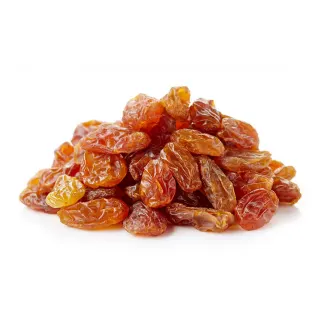 Raisins
Product Guide#Dried apricots#Malatya apricot#SO₂#Calibre#Quality control
Dried Apricot Size and Grade Guide: From Jumbo to Size 8
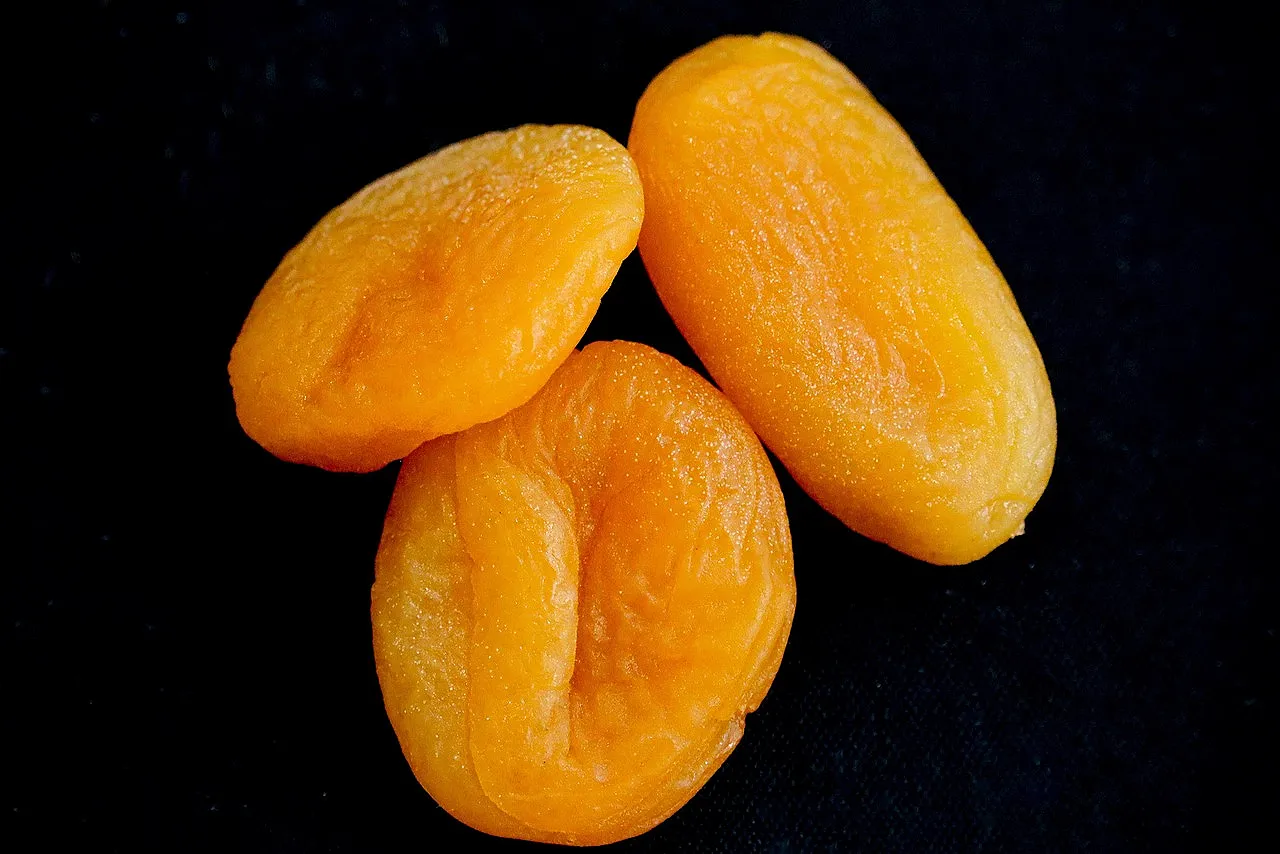
Two concepts decide everything when you buy dried apricots: size and grade. The right choice directly affects your cost, how your packaging looks on the shelf and how satisfied end consumers are. In this guide we explain the system used in the Turkish dried apricot trade in plain language.
Key takeaways
- Size is the number of pieces per kg; the higher the number, the smaller the fruit.
- Jumbo (61–80 pcs/kg) is the largest and Size 8 (221+ pcs/kg) the smallest.
- Grade (Extra, Class 1, Industrial) defines appearance and defect tolerance.
- The right combination depends on the intended use.
What is size?
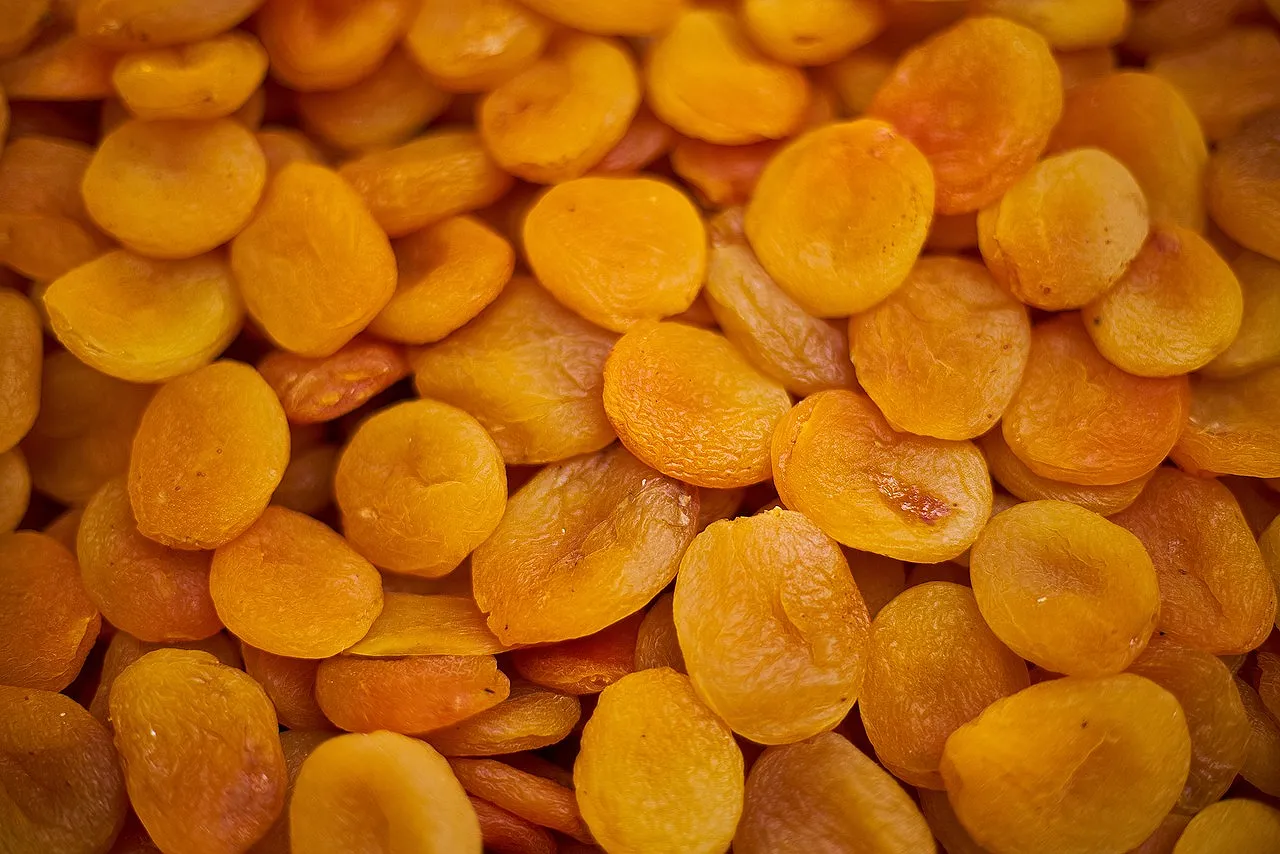
For dried apricots, size refers to the average number of pieces in one kilogram. It is the most practical and universal way to describe fruit size. A lot labelled “Size 3”, for example, contains 121–140 apricots per kilogram. The higher the number, the smaller the fruit.
| Size | Pieces / kg | Typical use |
|---|---|---|
| Jumbo | 61–80 | Premium retail, gifts |
| Size 1 | 81–100 | Premium retail |
| Size 2 | 101–120 | Retail, export standard |
| Size 3 | 121–140 | Retail, wholesale |
| Size 4 | 141–160 | Wholesale, value retail |
| Size 5 | 161–180 | Wholesale, food industry |
| Size 6 | 181–200 | Food industry |
| Size 7 | 201–220 | Food industry, dicing |
| Size 8 | 221+ | Dicing, paste, industrial |
What does grade determine?
Grade defines the visual quality of the product and its defect tolerance. Two lots of the same size can look very different depending on their grade.
- Extra: Uniform colour, regular shape, lowest defect rate. For premium retail.
- Class 1: Small colour and shape variations allowed. The most common export grade.
- Industrial: Appearance is secondary; an economical choice for dicing, paste and industrial use.
If your product will be diced or used inside a recipe, there is no need to pay for Extra grade. Industrial grade can give you a significant cost advantage.
How to choose the right combination
The choice depends on how the product reaches the consumer. In a window doypack the fruit is visible, so Jumbo–Size 2 and Extra/Class 1 are preferred. For bulk wholesale, Sizes 3–5 offer the best value. In the food industry, Sizes 6–8 and industrial grade reduce costs.
Moisture and SO₂: the other half of the specification
Besides size and grade, moisture and (for sulphured apricots) SO₂ level should be in the contract. Goldland Food keeps moisture below 24% and SO₂ below 2000 ppm in line with EU legislation. Lower SO₂ values can be supplied depending on the destination market.
The right specification removes misunderstandings before the contract is signed. A shipment that matches the sample starts here.
— Goldland Food
Conclusion
Size and grade are the language of price and quality in dried apricots. Share your target channel, packaging and price range, and our sales team will recommend the best combination and send samples.
Sources & regulations
- UNECE Standard DDP-15 – standard for dried apricots
- Codex Alimentarius CXS 130-1981 – standard for dried apricots
Was this article helpful?
Thank you for your feedback!
Prepared with the field experience of our sales, quality and logistics teams.