


 Dried Apricots
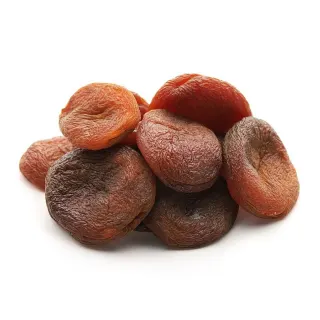 Sun-Dried Natural Apricots
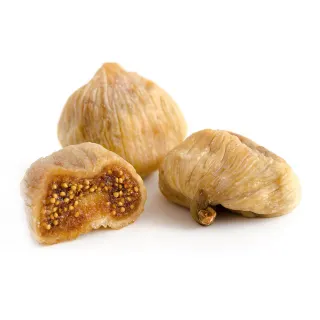 Dried Figs
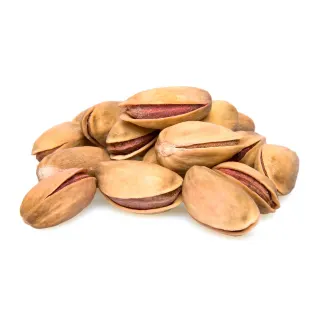 Pistachios
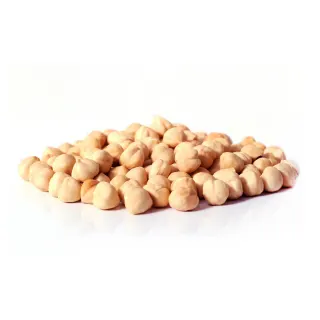 Hazelnuts
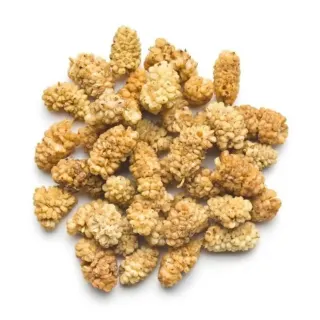 Dried Mulberries
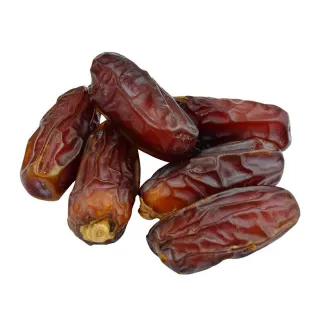 Dates
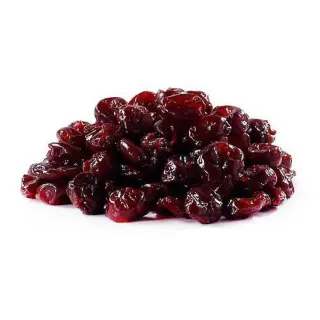 Dried Sour Cherries
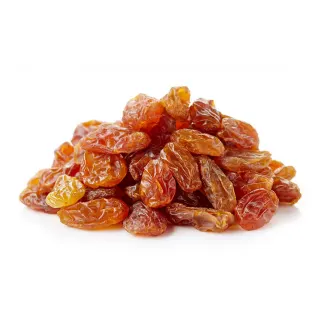 Raisins
Product Guide#Dried apricots#SO₂#Food safety#Sun-dried#Malatya apricot
Sulphured or Sun-Dried? What to Know When Choosing Dried Apricots
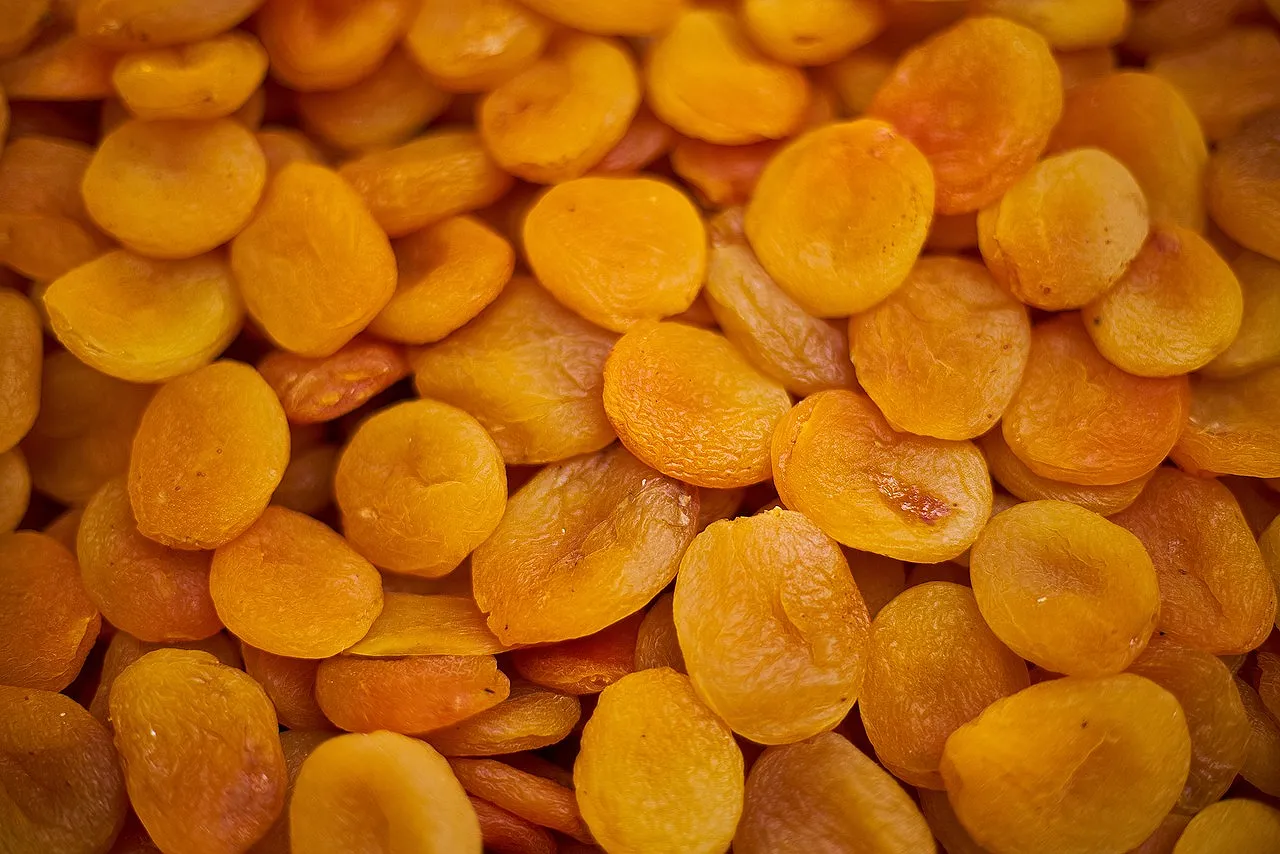
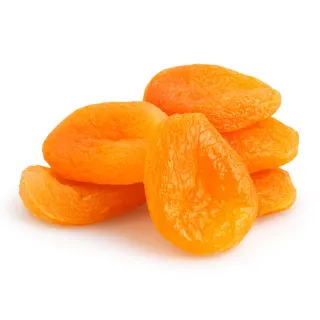
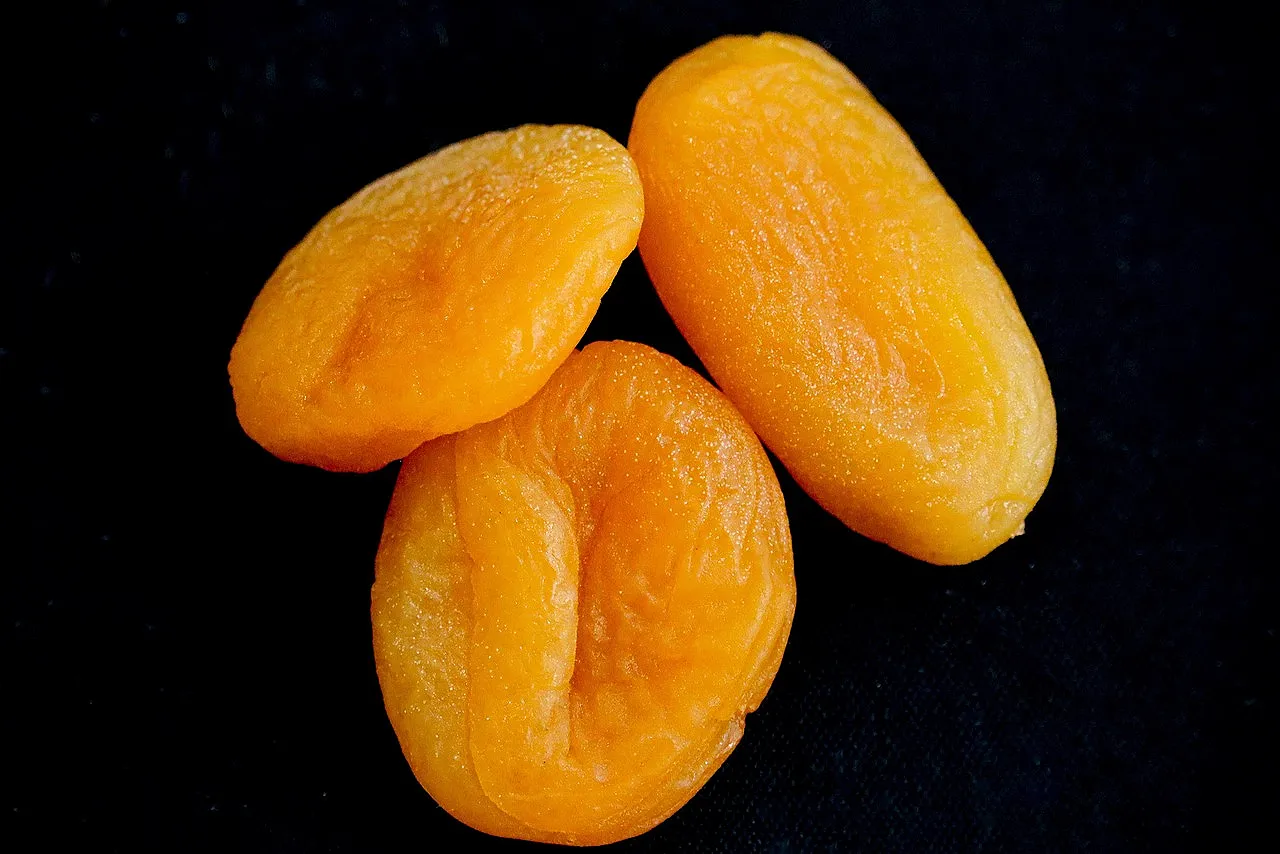
Picture two apricots side by side on the shelf: one bright orange, the other deep brown. Both come from the same Malatya orchard; the difference is created by a single step before drying. So which one is right for your market?
Key takeaways
- Sulphured apricots keep their colour thanks to SO₂; the EU limit is 2000 mg/kg.
- Sun-dried apricots are additive-free and darken naturally.
- Taste profiles differ: fruity-tart versus caramel-intense.
- Labelling rules vary by market.
Two processes, one difference
Sulphured apricots are treated with sulphur dioxide (SO₂) after harvest and before sun-drying. SO₂ stops enzymatic browning so the apricot keeps its bright orange colour. Sun-dried apricots are dried directly in the sun without any treatment and darken naturally.
| Sulphured | Sun-dried | |
|---|---|---|
| Colour | Bright orange | Deep brown |
| Taste | Fruity, slightly tart | Caramel-like, intensely sweet |
| Texture | Soft, moist | Slightly firmer |
| Additive | SO₂ (E220) | None |
| Target shelf | Mainstream retail, bakery | Natural / clean label, health |
Is SO₂ safe, and what are the limits?
SO₂ (E220) is a permitted preservative long used in food. In the European Union the maximum level for dried apricots is 2000 mg/kg. In Goldland Food’s sulphured apricots SO₂ is kept below this limit and documented with an analysis report for every shipment. Some retailers request lower values, which can be set in the specification.
In the USA, products containing more than 10 ppm sulphites must declare this on the label. We check the labelling rules of your target market with you before ordering.
Which customer wants which?
- Mainstream supermarkets: Mostly sulphured apricots for visual appeal.
- Organic and natural stores: Sun-dried, for the clean label.
- Bakery and confectionery: Sulphured for colour contrast; sun-dried for natural concepts.
- Middle East and Asian markets: Strong demand for both; depends on the packaging.
Offering both
Many of our customers place both products side by side on the same shelf to reach different consumer groups at once. With a mixed container you can receive both in one shipment and reduce your stock risk.
Orange appeals to the eye, brown to the palate. The right portfolio includes both.
— Goldland Food
Sources & regulations
- Regulation (EC) 1333/2008 – food additives (E220 sulphur dioxide)
- Regulation (EU) 1169/2011 – allergen labelling (sulphites)
- Codex Alimentarius CXS 130-1981 – standard for dried apricots
Was this article helpful?
Thank you for your feedback!
Prepared with the field experience of our sales, quality and logistics teams.

 Country Markets