






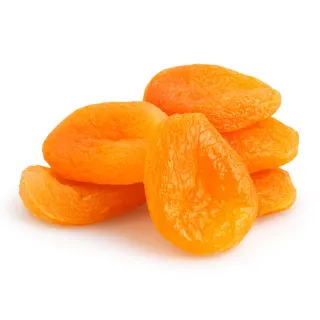
 Dried Apricots
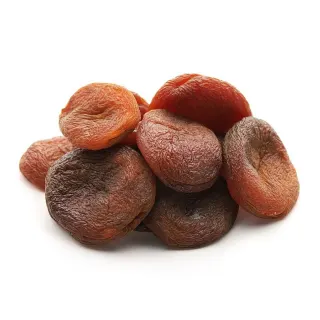 Sun-Dried Natural Apricots
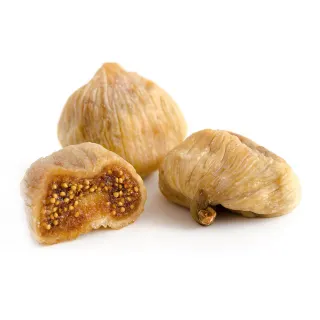 Dried Figs
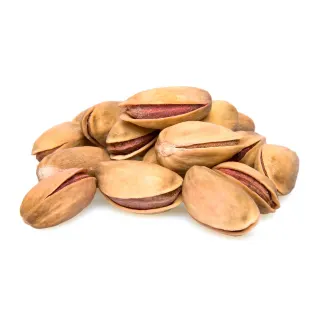 Pistachios
 Hazelnuts
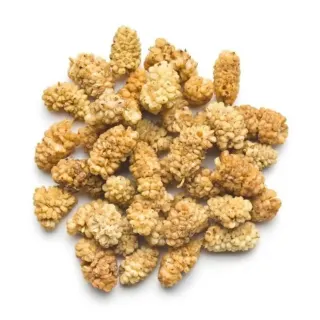 Dried Mulberries
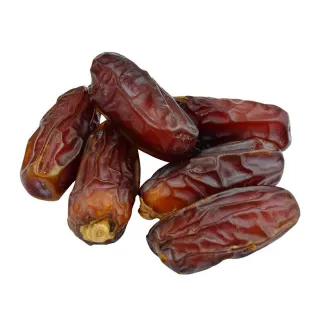 Dates
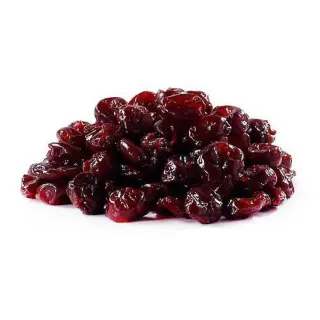 Dried Sour Cherries
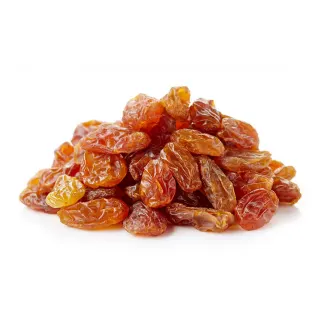 Raisins
Quality & Food Safety#Storage#Logistics#Food safety#Cold chain#Container shipping
Dried Fruit Storage, Shelf Life and Container Moisture
Dried fruit quality is protected not only in production but in the warehouse and on the road. Temperature, humidity and ventilation directly affect colour, texture and shelf life.
Key takeaways
- Ideal storage is cool (below 10 °C), dry and dark.
- Condensation in containers (“container rain”) is a major risk.
- Reefer containers can be used in hot months.
- Vacuum packing extends freshness for oily nuts.
The right warehouse conditions
Dried fruits and nuts keep their quality longest in cool, dry conditions. High temperatures speed up darkening and sugaring in dried apricots and raise the risk of rancidity in oily nuts.
| Product | Recommended temperature | Note |
|---|---|---|
| Dried apricots | < 10 °C | Cool to preserve colour |
| Dried figs | < 10 °C | Control against infestation |
| Hazelnuts / pistachios | < 10 °C | Vacuum packing recommended |
| Raisins | < 15 °C | Cool against sugaring |
Container rain
Day–night temperature swings cause moisture to condense on the container roof and drip onto the cartons, increasing the risk of mould and packaging damage.
- Choose dry, clean, odour-free containers
- Use desiccants and kraft paper
- Allow air circulation between cartons
- Consider reefer containers in hot months
For long voyages and summer months, especially for dried apricots and figs, a reefer container is the safest way to preserve quality.
Sources & regulations
- Industry practice and Goldland Food logistics experience
Was this article helpful?
Thank you for your feedback!
Prepared with the field experience of our sales, quality and logistics teams.

 Country Markets